RV Insurance for Seniors in Massachusetts
RV insurance is available to Massachusetts seniors, and age itself is not what insurers weigh most heavily.
Yes, you can get RV insurance as a senior in Massachusetts
Insurers write RV policies for drivers well into their senior years. There's no age at which an insurer in Massachusetts can refuse to cover you simply because of your birthday.
What the insurer actually looks at is your driving record, how you use the RV, and where you keep it. A clean record and a well-maintained RV matter more to most insurers than the number on your license. Massachusetts also has its own rules about what auto and RV coverage must include, so the starting point is the same for every driver in the state regardless of age.
How you use the RV changes your coverage and your cost
Massachusetts insurers ask whether the RV is your primary home, a part-time residence, or a vehicle you take out a few times a year. Full-time use calls for a policy closer to homeowners insurance, with coverage for personal belongings and liability if someone is hurt inside. Occasional or seasonal use is usually written more like a standard auto policy, with lower coverage needs because the RV sits unused for parts of the year.
If you store the RV for the winter, tell your insurer. Many offer a reduced rate for storage months, since the RV isn't on the road and the risk changes. Not every insurer handles this the same way, so ask directly whether a seasonal or storage adjustment applies to your policy.
The type of RV matters too. A towable camper is usually cheaper to insure than a motorhome, because a motorhome carries its own engine and liability exposure similar to driving a car. If you're shopping around, have the RV's class, age, and value ready, since insurers price these differently.
Your driving record carries more weight than your age
A senior with a long, clean driving record often qualifies for the same rates as any other experienced driver, sometimes better. Insurers in Massachusetts are required to use state-approved rating factors, and a documented history of safe driving tends to work in your favor regardless of how old you are.
If you've had a recent accident, a lapse in coverage, or a violation, that will affect your rate more than your age does. Some insurers offer a discount for completing a defensive driving or mature driver course, but you usually have to send them the certificate yourself. Finishing the course doesn't change anything until your insurer has that paperwork on file.
If you've reduced how much you drive, whether the RV or your regular car, ask your insurer whether that affects your premium. Some insurers factor in annual mileage, and a senior who drives less in retirement may see that reflected in the quote.
Questions people ask about this
Does Medicare or health insurance affect RV insurance for seniors?
No, RV insurance is separate from health coverage and Medicare has no bearing on it. RV insurance covers the vehicle, liability, and in some cases the contents inside it. If you want coverage for medical costs after an RV accident, ask your insurer what liability and medical payments coverage your policy includes.
Can I insure an RV I only use a few weeks a year in Massachusetts?
Yes, insurers offer policies built around seasonal or occasional use. Tell the insurer how many weeks a year you expect to use the RV and where you'll store it the rest of the time. This often lowers your premium compared to a policy written for year-round use.
Do I need full-time RV insurance if I live in it part of the year?
It depends on how the insurer classifies your use, not just how many months you spend in it. Living in the RV for extended periods usually means you need coverage for personal belongings and liability similar to a homeowners policy. Ask your insurer where they draw the line between part-time and full-time use, since that line varies by company.
Will my RV insurance go up if I add a younger driver to the policy?
It depends on the driver's age, experience, and record, not on your own age. Adding any driver with less experience or a thinner driving history can raise the premium, since the insurer is pricing the risk of everyone listed on the policy. Ask your insurer how adding a specific person would change your rate before you do it.
Does where I park or store the RV in Massachusetts affect my rate?
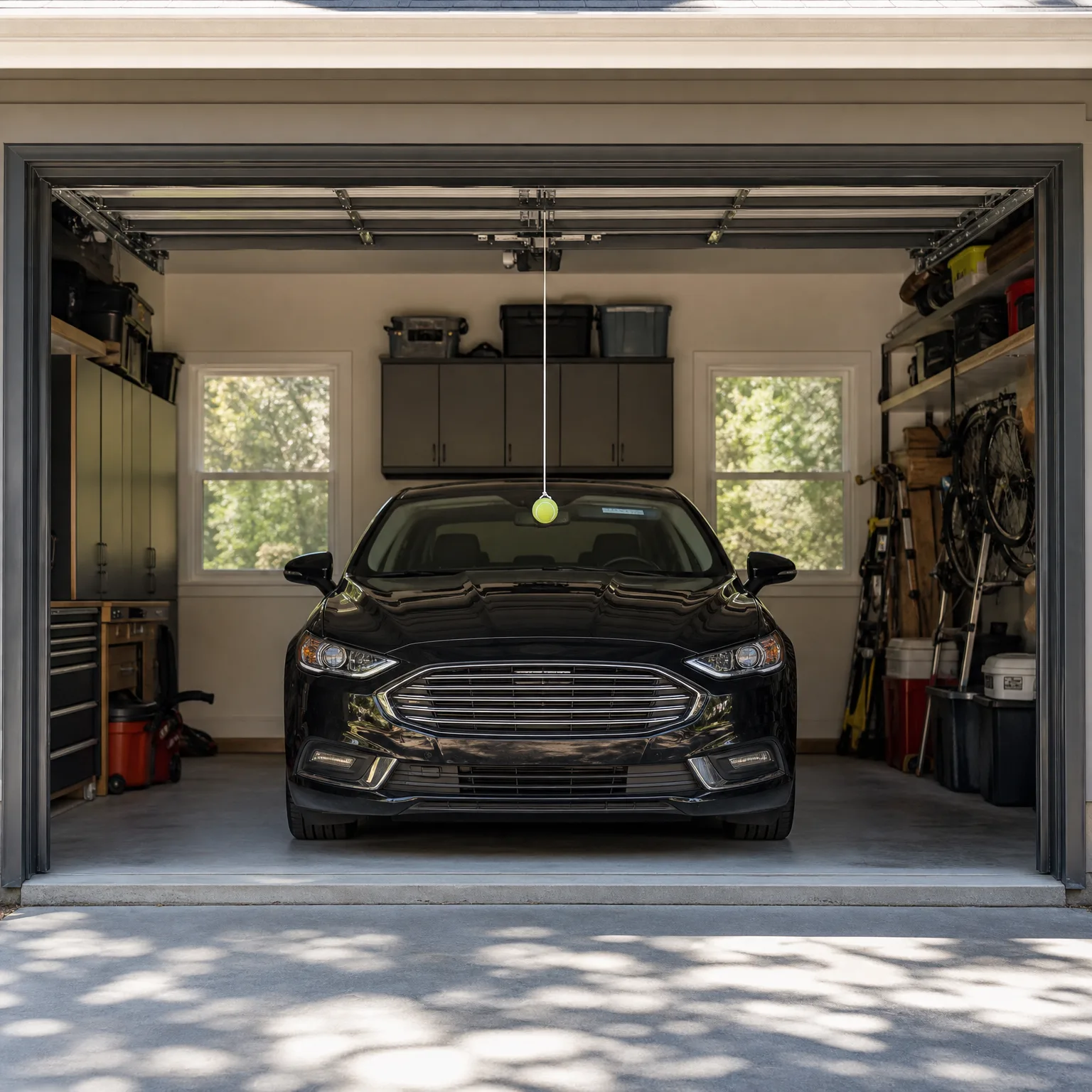
Yes, storage location is one of the factors insurers consider. An RV stored in a secured facility or garage is generally viewed as lower risk than one parked outside at a home address. Tell your insurer exactly where the RV will be kept, since this can affect both your premium and what's covered if it's damaged while parked.
See how different insurers price your RV before you commit to a renewal.
Pull out your current RV registration, your driving record, and your most recent renewal notice before you start comparing quotes. Decide honestly how you use the RV, full-time, seasonal, or occasional, since that shapes which policy type fits. If you've taken a defensive driving course, have the certificate ready to send to whichever insurer you choose. Ask each insurer directly how they classify your use and whether storage months lower your premium. Massachusetts sets its own minimum coverage rules, so confirm with each insurer that any quote meets the state's requirements. Compare a few quotes side by side before your current policy renews, rather than waiting until the renewal notice arrives.