RV Insurance for Seniors in Maine
Age alone doesn't raise your RV insurance rate in Maine. What you do with the RV, and how you've driven, matters more.
Yes, seniors in Maine can get RV insurance
There's no age that keeps someone from buying or renewing RV coverage in Maine. Insurers look at the whole picture: your driving record, how often you use the RV, where you keep it, and what kind of RV it is.
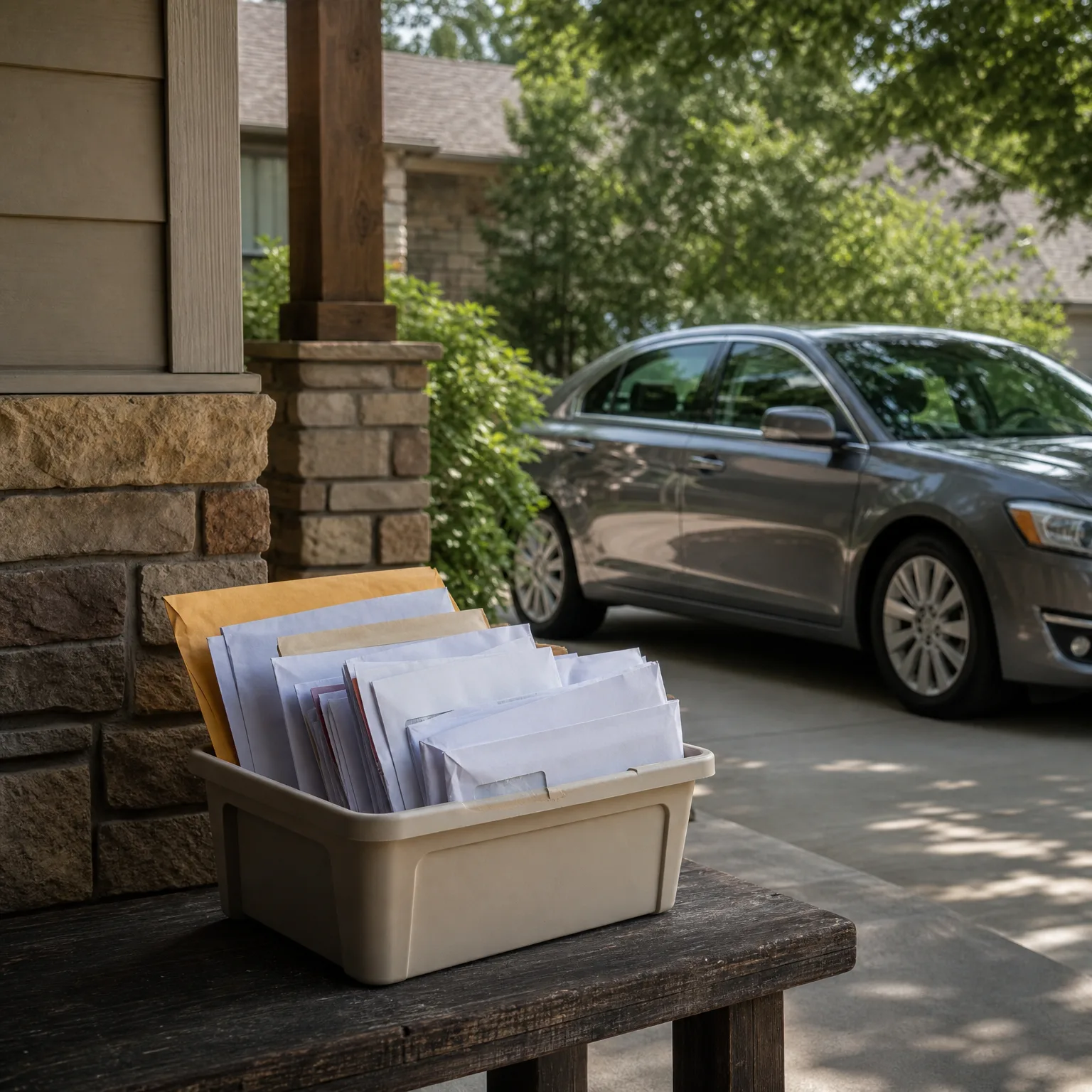
For most seniors, the bigger questions are about use. Is the RV your only home part of the year, or does it sit in storage most months? Do you drive it yourself or does someone else? Those answers shape the policy more than the number of birthdays you've had.
How you use the RV changes what you need
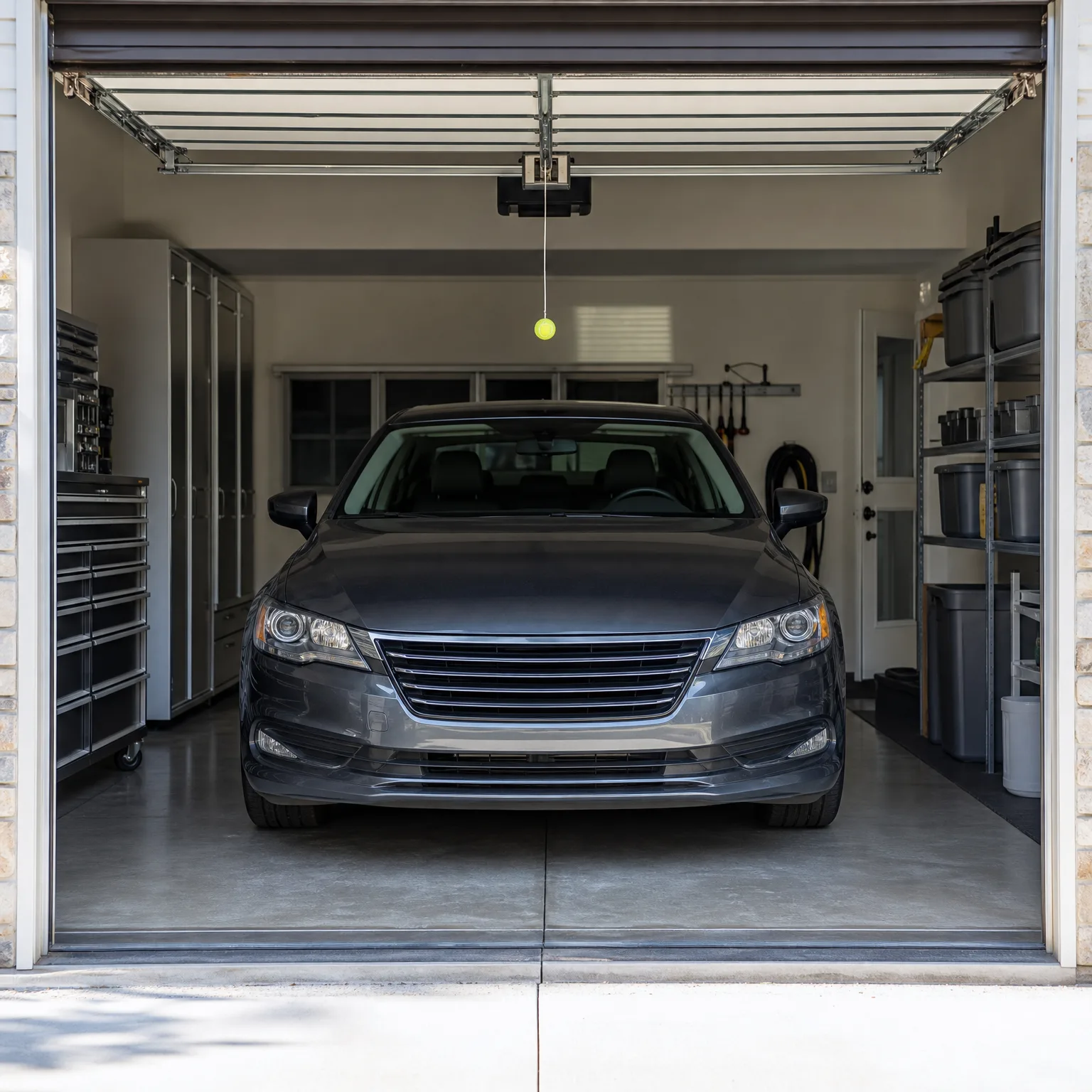
Maine has long winters, and a lot of RVs here sit parked for months at a time. If that's your situation, ask your insurer about a storage or lay-up period, since you may not need full coverage year-round the way you would if you were driving every week.
If you live in the RV for part of the year, travel it across states, or treat it as a second home, say so when you get quotes. That changes what counts as covered, from your belongings inside to the liability if something happens while you're parked at a campground.
Some seniors stop driving long distances but keep the RV for shorter trips or to let family use it. Tell your insurer exactly who drives it and how far, because a policy built around occasional local use can look very different from one built around cross-country travel.
Your driving record still carries the most weight
A clean record keeps your options open and your rate lower, regardless of age. If you've had a recent violation or claim, expect more questions from the insurer, not because you're a senior but because that history is what insurers actually price against.
If your license has been restricted in any way, such as a daytime-only condition after a vision test, tell your insurer. An RV policy assumes you can legally drive the vehicle the way the policy describes, and a restriction that isn't disclosed can cause problems later.
Some insurers offer a discount for completing a driver improvement or defensive driving course. If you've taken one, ask whether your insurer in Maine recognizes it and what you need to send them to apply it. The course by itself doesn't change your premium. Sending in the certificate does.
Questions people ask about this
Does Medicare or health insurance affect RV insurance for seniors?
No, RV insurance is separate from health coverage and Medicare has no bearing on it. RV insurance covers the vehicle, your liability, and often the contents, not your medical care. If you want coverage for medical costs after an accident, ask your insurer whether that's part of the policy or something you'd need to add.
Can a senior get RV insurance without a current driver's license?
You generally need a valid license to insure and legally drive an RV, so check with the Maine Bureau of Motor Vehicles if your license has lapsed or been restricted. If someone else will be the primary driver, such as a spouse or adult child, tell the insurer that upfront so the policy reflects who's actually behind the wheel.
Is full-time RV living covered differently than occasional use in Maine?
Yes, insurers treat full-time RV living differently from occasional trips, since the risks and the coverage needed are not the same. A full-timer policy usually covers personal belongings and liability more like a homeowners policy would. Ask specifically whether the quote you're given assumes full-time or part-time use, since this changes what's protected.
What happens to RV insurance if the RV sits unused all winter in Maine?
Many insurers offer a reduced coverage period for RVs in storage, often called a lay-up period, since Maine winters mean many RVs aren't driven for months. Ask whether this lowers your premium and what stays covered during that time, such as fire, theft, or weather damage, even while the RV isn't on the road.
Do older RVs cost more to insure than newer ones?
It depends on the RV's value, condition, and how replacement parts are priced, not on the owner's age. An older RV might cost less to insure because it's worth less, or more if parts are hard to find. Ask your insurer how they value your specific RV and whether that value is agreed upon in the policy or determined at the time of a claim.
See what RV insurers in Maine would charge for your situation before you renew.
Before you shop, write down how you actually use the RV: full-time, seasonal, or stored most of the year. Have your current driving record and license status handy, along with any course certificate if you've completed one. Call your current insurer first and ask how they'd adjust your policy for storage periods or reduced use, since that's an easy way to find savings without switching. Then compare that against a few other quotes to see whether Maine insurers are pricing your situation the same way. If anything about your license or driving conditions has changed, mention it before you get quotes rather than after.