Is It Worth Getting Storage Insurance
It's usually worth it if the car sits for a stretch and you'd rather not pay full coverage for months it isn't driven.
Yes, if the car is off the road for a real stretch of time
Storage insurance is worth having when a car sits unused for weeks or months at a time, like an RV in the off season or a second car while you travel. It keeps coverage for theft, fire, falling branches, and other damage that can happen whether the car moves or not, while usually costing less than your regular policy because it drops the parts of coverage tied to driving.
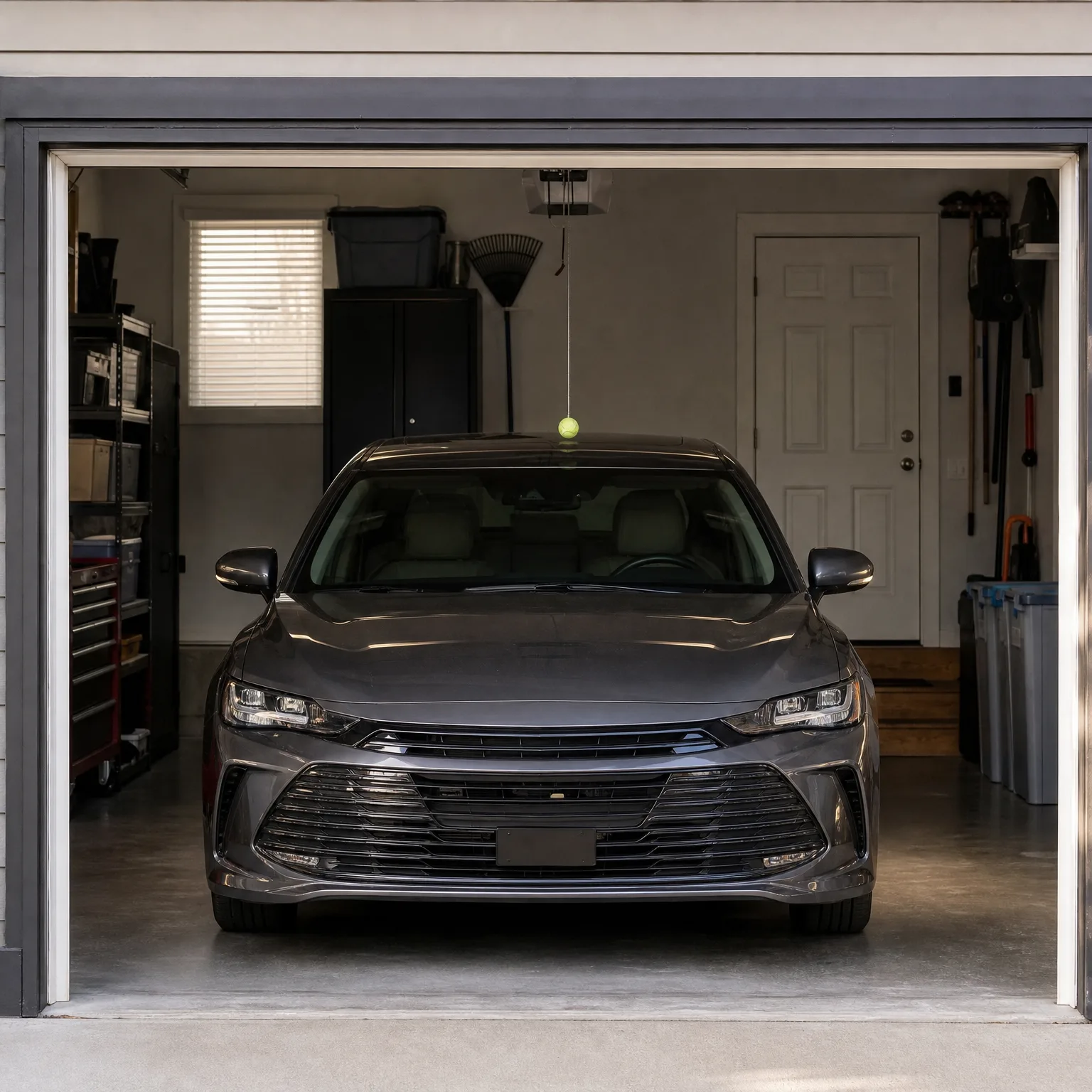
What it's worth to you depends on where the car sits and what your regular policy already costs. If the car is in a locked garage, the risk is already lower. If it's outdoors or in a shared lot, storage coverage matters more. Ask your insurer what storage coverage actually removes and what it keeps, since that's what decides whether it's a real savings or just a different name for the same policy.
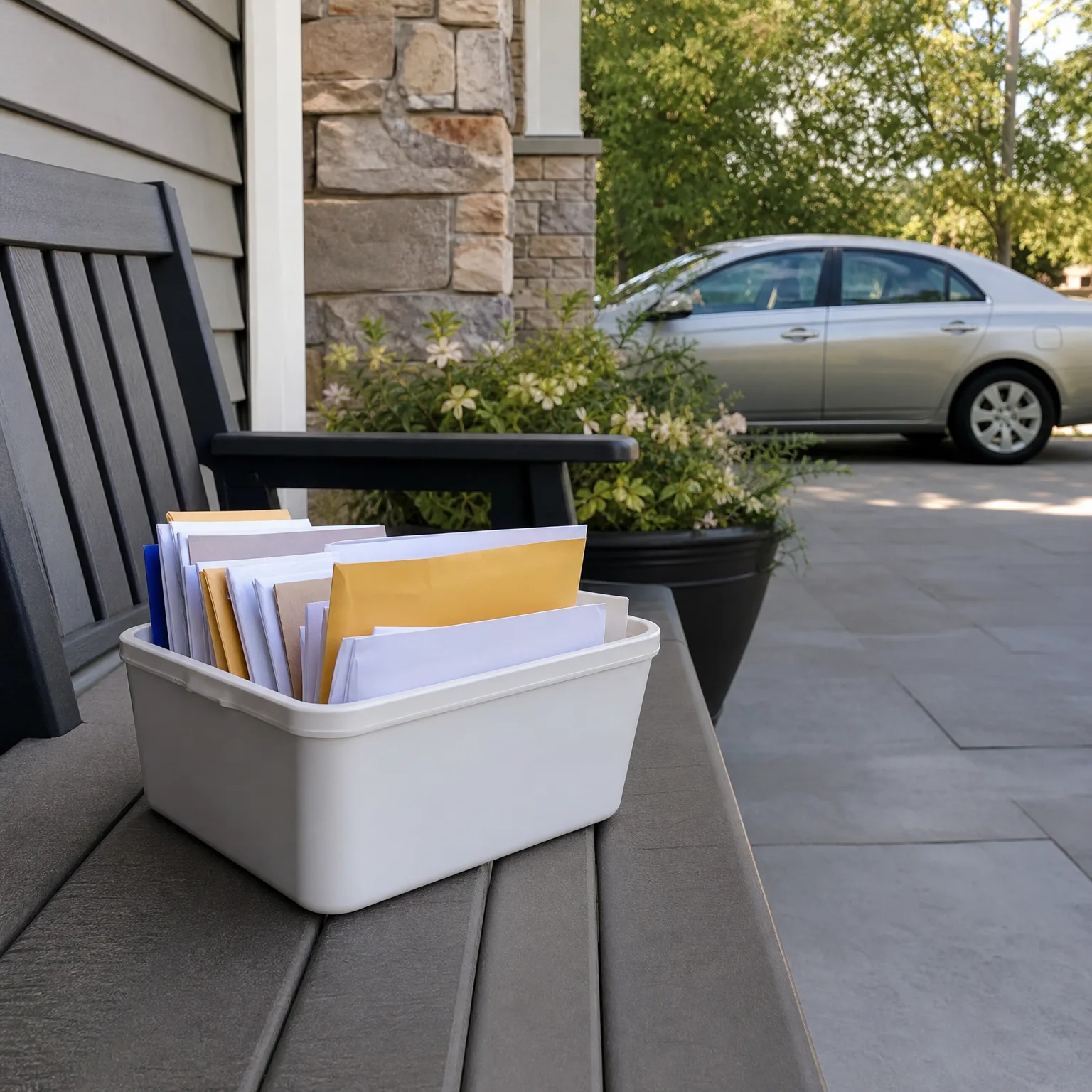
Whether the car still needs to be driven at all
If the car won't be driven for the whole storage period, including no trips to the gas station or the mechanic, storage insurance makes sense. The moment you take it on the road, you need liability coverage again, and driving on a storage-only policy can leave you without coverage if something happens.
Some insurers offer a version that keeps liability in place at a lower level while suspending comprehensive and collision adjustments, so you can still legally move the car without fully switching back. Ask whether that option exists before you drop coverage down.
If you think you might need to drive the car even occasionally during the storage period, say for a quick errand or to keep the battery healthy, tell your insurer that up front. It changes what kind of policy you should ask for.
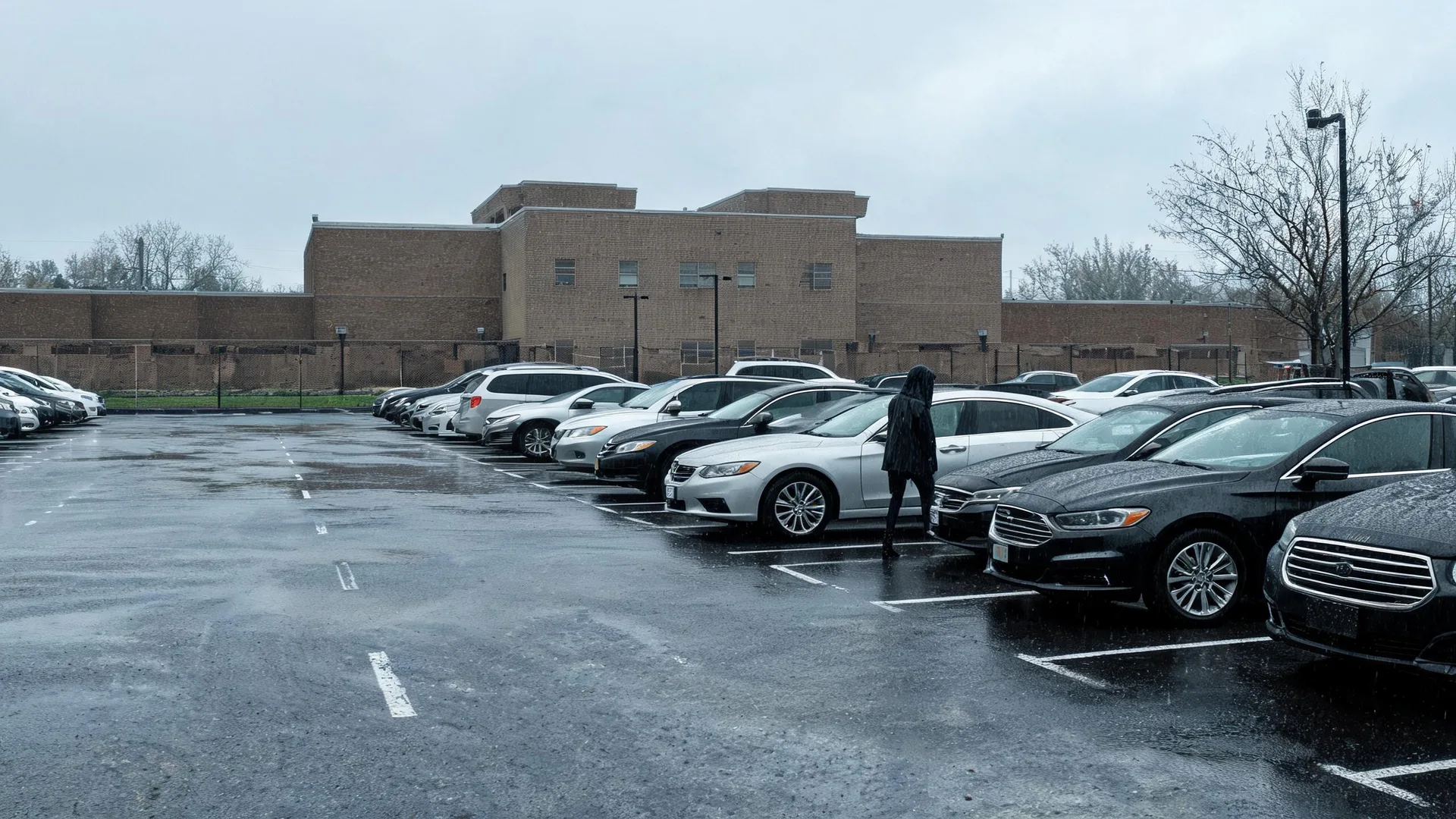
What your insurer requires to use it
Not every insurer offers storage coverage, and the ones that do often have rules about how it works. Some require the car to be parked at a specific address, like a storage facility or your own garage, and won't allow it if the car is parked on the street. Some require you to report the odometer reading going in and coming out.
If you end up driving the car during the storage window without telling your insurer, any claim you file could be denied. The coverage only holds up if you follow the terms you agreed to.
Check with your insurer about how far in advance you need to set it up, whether there's a minimum storage period, and what proof they'll want that the car was actually stored rather than driven.
Questions people ask about this
Does storage insurance cover theft or vandalism?
Yes, that's generally the point of it. Storage insurance usually keeps comprehensive coverage in place, which is what covers theft, vandalism, fire, and weather damage. What it typically drops is collision coverage and liability, since those relate to the car being driven. Confirm with your insurer exactly which coverages stay active.
Can I switch back to regular coverage whenever I want?
Usually yes, but you need to tell your insurer before you start driving the car again, not after. Driving on a storage policy without updating it first can leave you without the coverage you'd need if something happened. Call or go online to change it back before you take the car out.
Does storage insurance still cover roadside assistance?
That depends on your policy and your insurer, since storage coverage is built around a car that isn't being driven. If you think you might need to start the car, move it, or have it towed during the storage period, ask your insurer directly whether roadside assistance is included or whether you'd need to add it.
Is storage insurance cheaper than canceling the policy entirely?
It depends on what you're trying to protect. Canceling removes all coverage, including protection against theft or weather damage, and can also create a coverage gap that affects your rate later. Storage insurance usually costs less than full coverage while keeping protection against non-driving risks, so it's a middle option rather than a straight discount.
Will storing my car affect my insurance rate when I start driving it again?
It can, depending on the insurer and how long the car was off your active policy. Some insurers treat a storage period as a lapse in driving history rather than a lapse in coverage, which matters less than a true cancellation. Ask your insurer directly how they'll treat the switch back before you decide.
If you want to see what storage coverage would actually cost against keeping your regular policy, it helps to compare them side by side.
Call your current insurer and ask directly whether they offer storage coverage, what it removes, and what it requires, like a specific parking location or an odometer check. Have your policy number and the dates you expect the car to sit unused ready when you call. Ask what happens if you need to drive the car during that window, even briefly. If your insurer doesn't offer it or the terms don't fit your situation, compare quotes from a few others to see who has an option that matches how long the car will actually sit. Make the switch before the car goes into storage, not after.