Is It Better to Cover an RV in the Winter or Not
A winter lay-up policy usually costs less and covers more than either full coverage or no coverage at all.
Storage coverage is usually the better choice
If you aren't driving the RV during the winter, switching to a stored or comprehensive-only policy is usually better than canceling the policy or leaving it on full coverage. You still get protection against fire, theft, falling branches, and weather damage, but you stop paying for the liability and collision portion you don't need while it's parked.
The reason this works out in the driver's favor is that the risk while the RV sits in storage is different from the risk while it's on the road. Insurers price that difference, so asking for it usually lowers what you pay for the months it's not driven. What you actually get depends on your insurer's version of this coverage, so ask them directly what it includes before you switch.
How you store it changes what you should ask for
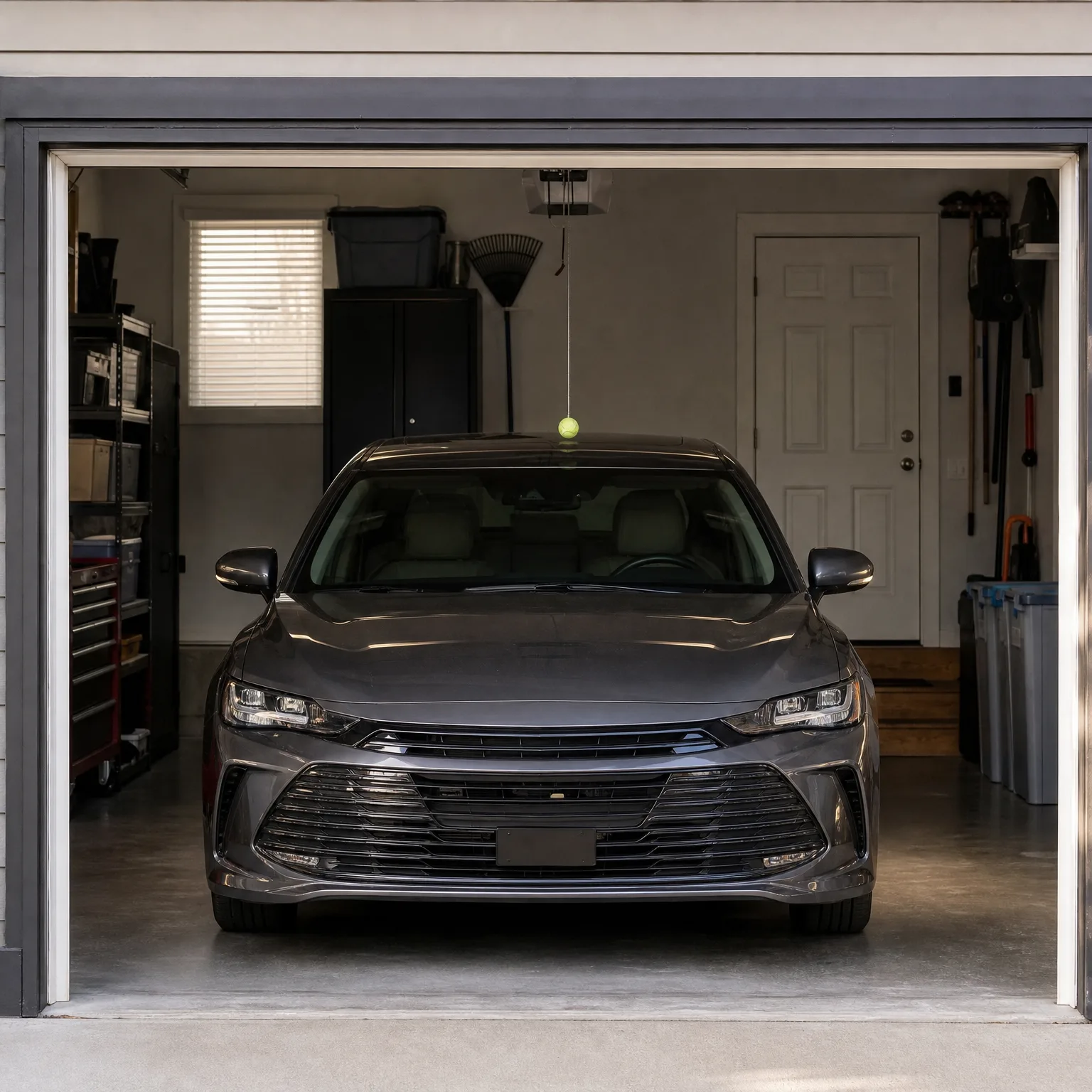
Where the RV sits over the winter affects both the risk and what your insurer will offer. An RV kept in an enclosed, locked storage facility is a different risk than one parked in a driveway or an open lot, and some insurers price it that way.
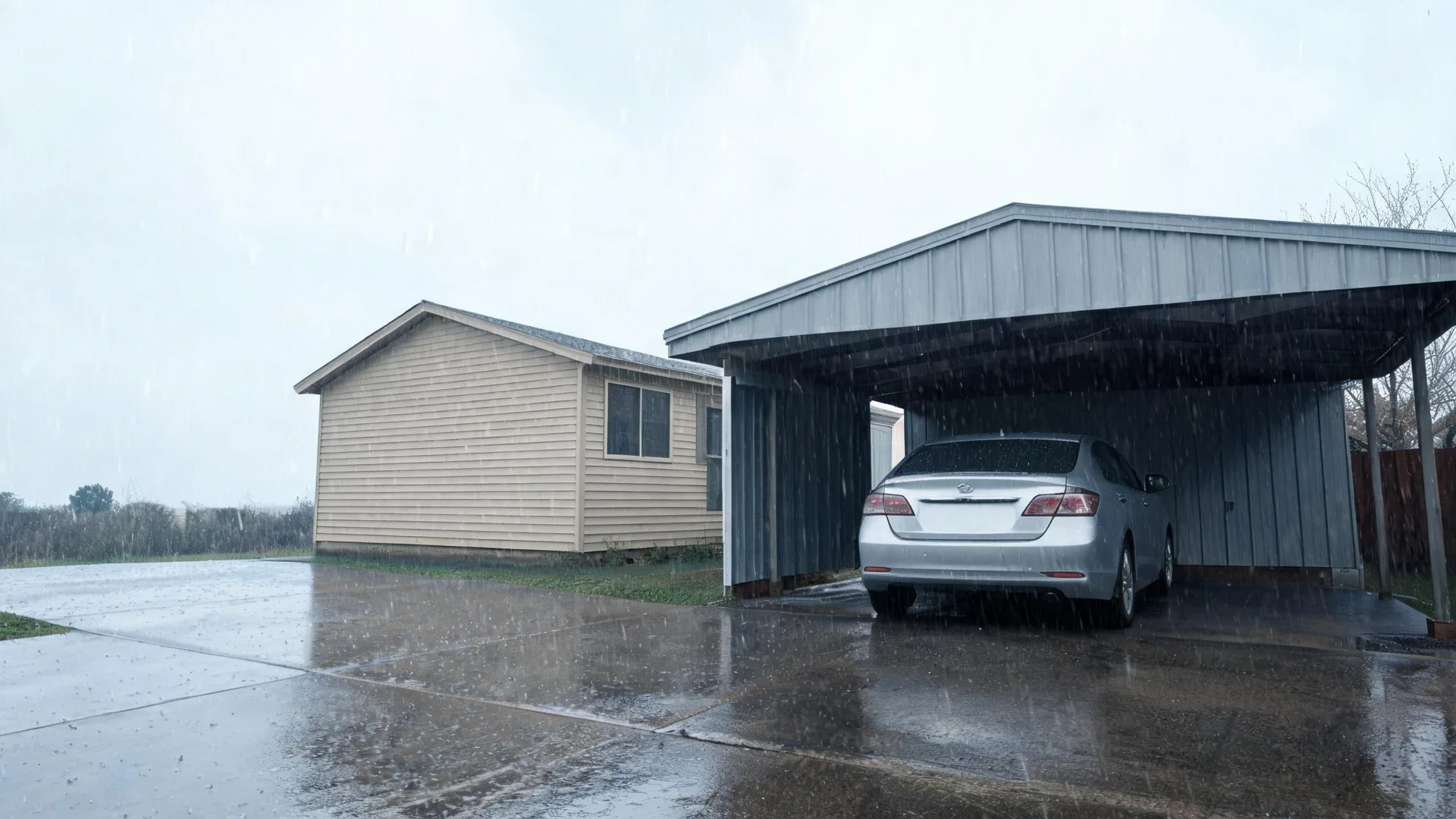
If you store it outdoors, ask your insurer whether comprehensive coverage still applies to weather events like hail, ice damage, or a tree limb coming down. These are common winter claims for RVs that sit outside, and you want to know before anything happens, not after.
If you store it somewhere with a lease or a storage agreement, keep that paperwork. Some insurers ask for proof of where the RV was kept when a claim comes in, especially if the stored location is different from the address on the policy.
Ask specifically what the winter policy drops and what it keeps. Comprehensive coverage protects the RV itself. It does not cover anyone driving it, so if you take it out even once during the winter, you want to know in advance whether you're covered for that trip.
What people get wrong about canceling instead
The mistake isn't choosing between full coverage and a stored policy. It's assuming that canceling the policy entirely is the same thing as switching to a storage-only policy, saving the same money without the gap.
Canceling means there's no coverage at all while the RV sits. If a pipe bursts in the storage facility, if the RV catches fire, if a branch falls and crushes part of the roof, there's nothing behind it. A stored or comprehensive-only policy still answers for those losses while cutting the parts of the premium tied to driving.
Canceling also creates a lapse in your insurance history. Many insurers look at continuous coverage when they set your rate, and a gap can mean a higher premium when you go to reinsure the RV in the spring, even if nothing happened while it sat uninsured.
If cost is the concern, ask your insurer for the stored or layup option by name before deciding to drop the policy altogether. It's built for exactly this situation and usually comes in well below the cost of full coverage.
Questions people ask about this
Can I still drive the RV occasionally if it's on a stored policy?
Usually not without checking first. A stored or comprehensive-only policy is priced on the assumption the RV isn't being driven, so taking it out, even for a short trip, may not be covered. Ask your insurer what counts as driving under that policy before you move it anywhere.
Does the RV need to be winterized for the storage coverage to apply?
This depends on the insurer and the policy, not on a general rule. Some policies ask about winterization because burst pipes and water damage are common cold-weather claims. Ask your insurer directly whether winterizing the RV is a condition of the coverage or just a recommendation.
How far in advance should I switch to a winter policy?
Switch before the RV goes into storage, not after. Coverage changes typically take effect from the date you make the change, so if something happens to the RV before you've switched, the stored policy won't apply retroactively.
Will switching to storage coverage affect my renewal rate next year?
It can, but how depends on the insurer. Some track continuous full coverage as part of how they price renewals, while others treat a stored policy as still being continuously insured. Ask your insurer how a seasonal switch affects your renewal before you decide.
Does the RV need to stay at one location during the winter for coverage to apply?
Some stored policies are tied to a specific storage address listed on the policy. If you move the RV to a different location during the winter, check with your insurer first, since coverage may depend on the RV staying where the policy says it is.
See what a seasonal RV policy would cost compared to keeping full coverage on through the winter.
Call your current insurer before the RV goes into storage and ask for their stored or layup coverage option by name. Have your storage location or agreement on hand, since some insurers ask where the RV will be kept. Ask exactly what the stored policy covers, what it drops, and whether occasional driving is covered under it. Ask how switching affects your renewal rate and whether there's any lapse in your coverage history. If you store the RV outdoors, confirm that weather-related damage like ice or falling branches is still covered. Set a reminder for when you plan to switch back to full coverage in the spring.