How to Store an RV for the Season
Storing your RV the right way protects it from damage, and telling your insurer about the change can protect your wallet too.
Store it dry, covered, and off its tires if you can
Drain the water systems, disconnect the battery or keep it on a maintainer, and keep the RV out of direct sun and standing water. Most damage over a storage season comes from moisture, pests, and flat-spotted tires sitting too long in one position, not from anything dramatic.
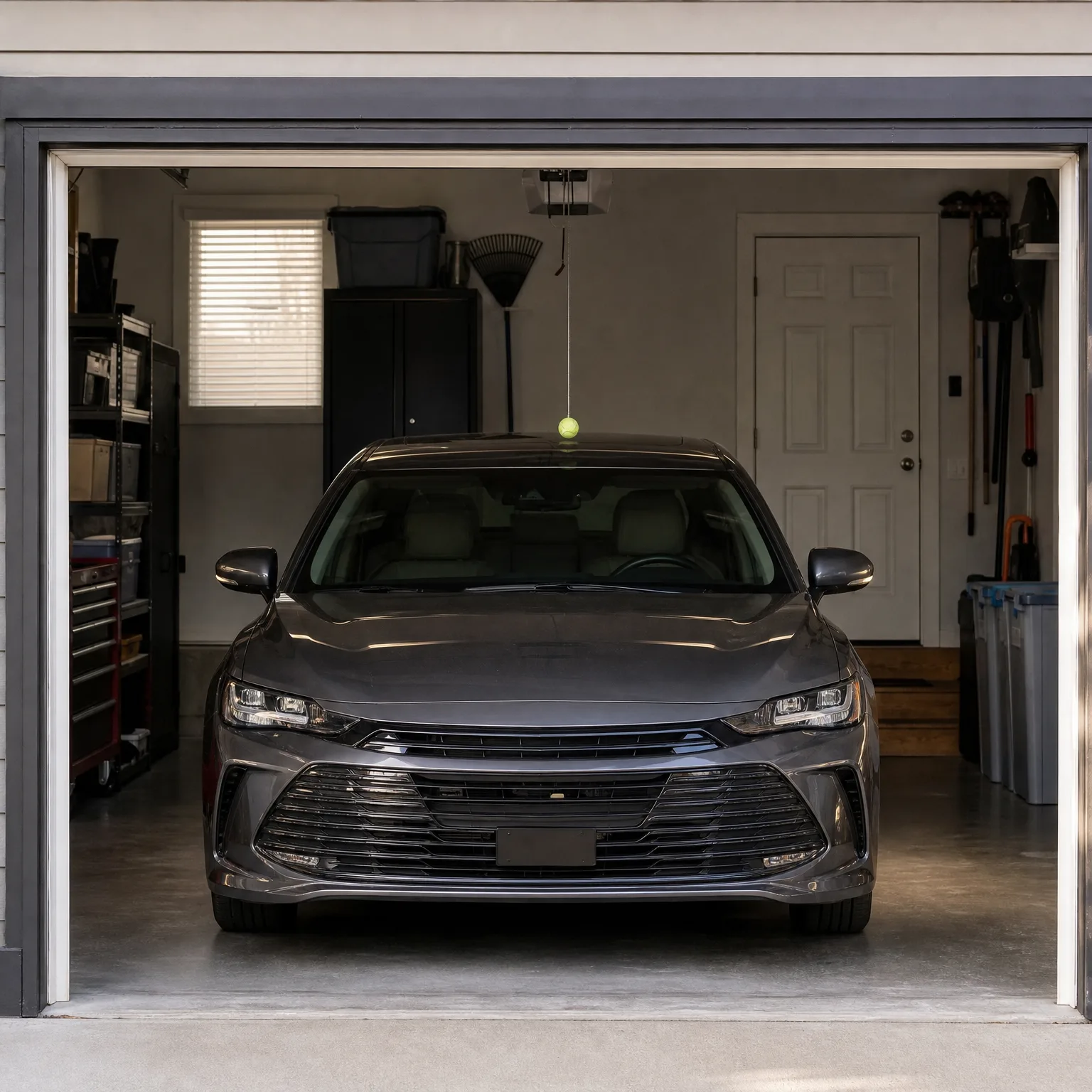
What you do beyond that depends on how long it sits and where. A few weeks in a garage needs less prep than months outdoors through a hard winter. Check your owner's manual for the manufacturer's own storage steps, since systems vary by RV.
Where you store it changes what you need to do
An RV stored outside and exposed to weather needs more protection than one in a garage or covered storage facility. Covers, skirting, and tire covers matter more outdoors because sun and moisture do most of the damage over time.
If you're paying for a storage facility, ask what it actually covers. Some are just a parking spot. Others include some protection against weather or vandalism, but that's usually a separate policy or add-on, not something that comes with the spot automatically.
Tell your insurer where the RV will be stored for the season. Some policies price differently for an RV that sits at a monitored facility versus one parked at a house or on undeveloped land, since the risk of theft or damage isn't the same.

How you use your policy during storage matters
Ask your insurer whether you can reduce coverage while the RV is in storage and not being driven. Some insurers offer a storage or layup option that drops the parts of your policy tied to driving, like liability for an accident, while keeping coverage for theft, fire, or weather damage.
Don't just stop paying or let the policy lapse because the RV isn't moving. An RV sitting in storage can still be damaged or stolen, and a lapse can also make it harder to get coverage back at the same rate later.
If you're storing the RV at a different address than where you usually keep it, let your insurer know. Where a vehicle is garaged is one of the things insurers use to set a rate, and an address that doesn't match your policy can cause problems if you ever need to file a claim.
Questions people ask about this
Do I need to winterize my RV if I live somewhere warm?
You still need to protect the water system even in a warm climate, because a line that never freezes can still grow mold or get fouled sitting unused. Check your manual for what the manufacturer recommends for a dry climate or a short storage period, since the steps are usually lighter than full winterizing.
Can I cancel my RV insurance for the winter?
You can usually ask your insurer about reducing coverage instead of canceling outright. A full cancellation means no protection at all while it's stored, and restarting a policy later can mean requalifying for the rate you had before. Ask your insurer what options they offer for a vehicle that's parked for the season.
Does my RV need to run periodically while in storage?
Most manufacturers recommend starting the engine and generator periodically to keep seals, batteries, and fluids in working order. How often depends on the RV and the climate, so check your owner's manual rather than guessing at an interval.
What should I check on my RV before taking it out of storage?
Check the tires for pressure and flat spots, the battery charge, and the water system for leaks before your first trip. Also check your insurance to make sure your policy has switched back from any storage or layup option to full coverage before you're back on the road.
Is a storage facility required to insure my RV while it's parked there?
No, a storage facility isn't automatically responsible for your RV's insurance. Ask the facility directly what, if anything, their own policy covers, and confirm with your insurer that your RV policy covers it while parked there.
If your RV is heading into storage for the season, it's worth seeing what a policy built around that actually costs.
Before you park the RV for the season, call your insurer and ask about a storage or layup option, and tell them exactly where the RV will sit. Have your current policy and the storage address on hand for that call. Check your owner's manual for the manufacturer's recommended storage steps, since a dealer or manufacturer's checklist is more reliable than general advice. Take photos of the RV's condition before storage, inside and out, in case you need them for a claim later. Set a reminder for when to switch the policy back before you take the RV out again.