Does RV Insurance Cover Campground Liability
Most RV liability coverage follows you to a campground, but what counts as covered depends on your policy and how you're using the RV when something happens.
Yes, in most cases, if you have liability coverage on the RV itself
If someone is hurt or their property is damaged at your campsite and you're found at fault, your RV liability coverage is usually what responds, the same way auto liability would respond to a crash on the road. This applies whether you're parked for a night or settled in for a season.
What it depends on is whether your RV is insured under a policy built for how you actually use it. A motorhome driven like a vehicle is typically covered under an auto-style policy that already includes liability. A towable, like a travel trailer, may need its own liability coverage since it isn't registered or driven on its own. Check which kind of policy you have before you assume the coverage is there.
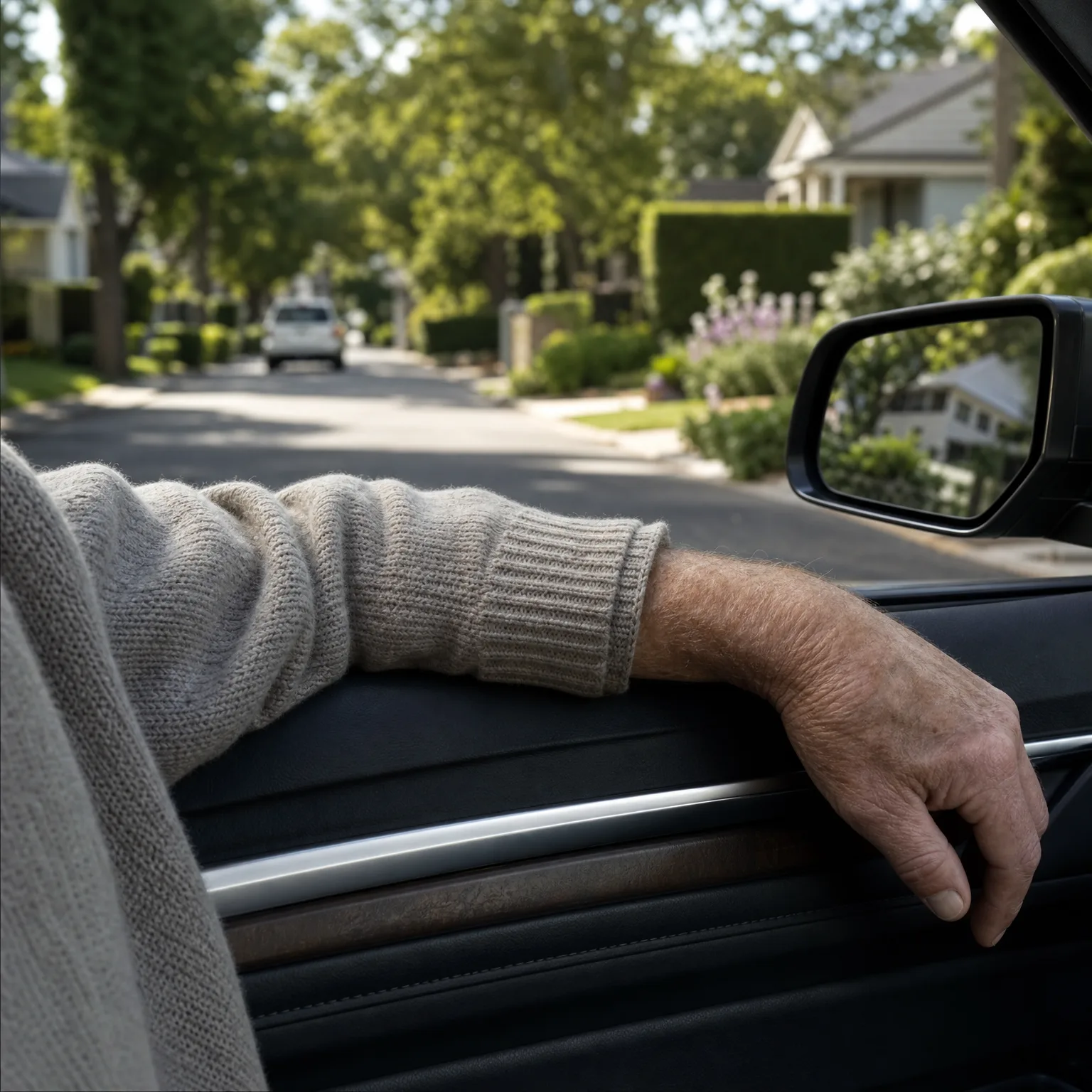
How you're using the RV when the incident happens
Insurers draw a line between the RV as a vehicle and the RV as a residence. If a guest trips over your hitch while you're hooking up to leave, that's clearly tied to the RV and liability coverage should apply. If a guest is hurt at a fire pit or picnic table you set up near the RV but not attached to it, some insurers treat that as a premises issue rather than an RV issue.
This matters more for full-timers or anyone who stays at a site for an extended period. The longer the RV sits in one place and the more it functions like a home, the more some insurers want to see it covered that way, sometimes through an endorsement built for extended stays rather than a standard liability clause.
If you spend significant time at one campground, ask your insurer directly whether your coverage changes based on how long the RV has been parked. Some policies are written with travel in mind and assume shorter stops.
Ask specifically what happens if the incident involves an attached structure, like an awning, a deck, or steps you've added, since these are sometimes treated differently than the RV itself.
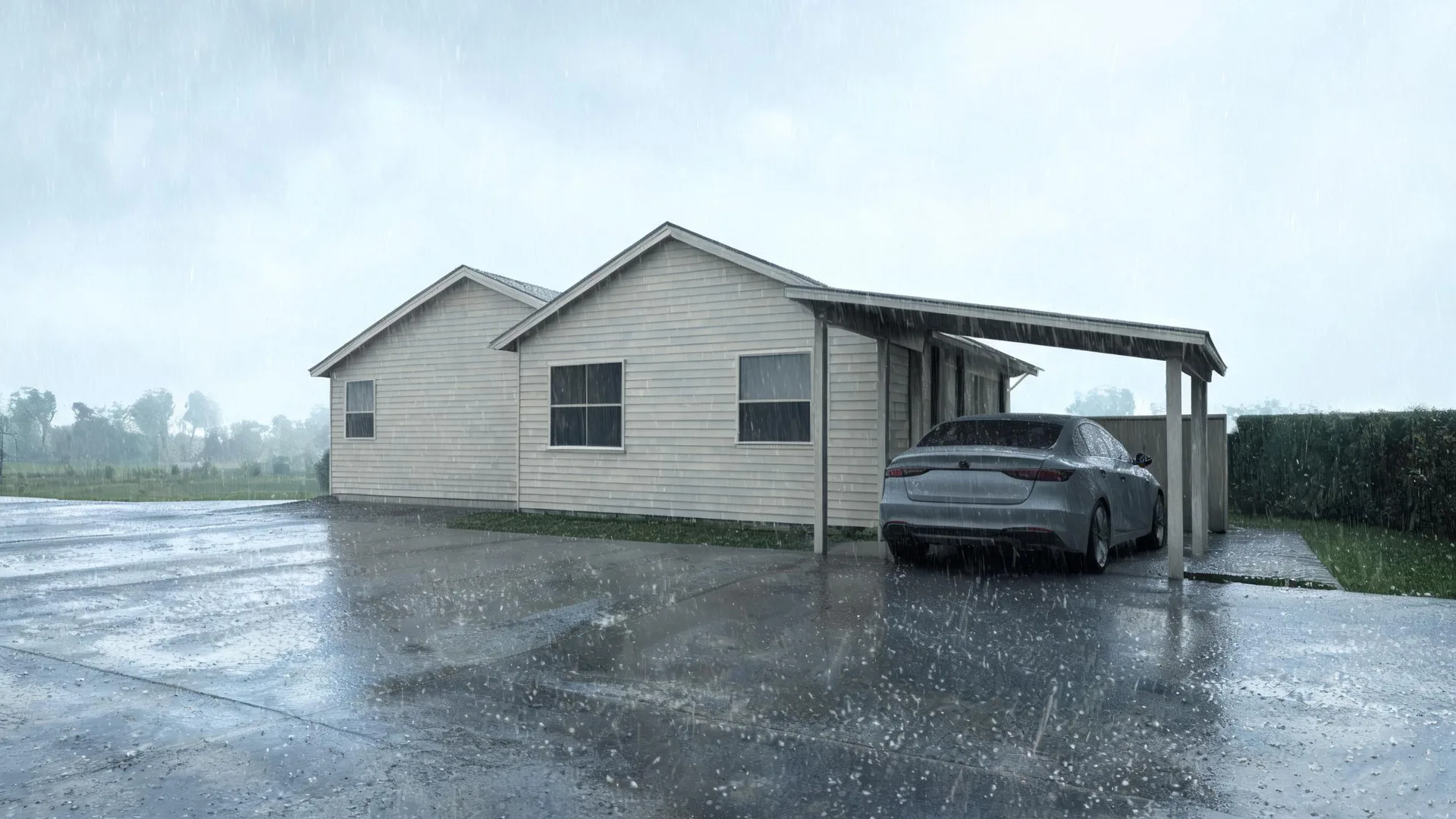
What the campground itself requires or carries
Many campgrounds carry their own liability insurance for the property, pathways, and shared facilities, separate from whatever happens at your individual site. If an accident happens at a shared pool or a campground-owned structure, the campground's insurance may be the first one involved, not yours.
Some campgrounds, particularly private ones or those with longer-term sites, ask renters to show proof of liability coverage before they'll let you stay, and a few ask for a minimum amount. If you're planning an extended stay somewhere, ask the campground directly what they require and whether your current coverage satisfies it.
It's worth finding out who the campground's insurer is likely to point to first if something happens at your site. If their policy and your policy both apply, that's usually sorted out between the two insurers rather than something you need to manage yourself, but knowing ahead of time avoids confusion in the moment.
Questions people ask about this
Does RV insurance cover a guest who gets hurt at my campsite?
Usually, yes, if the injury is connected to the RV or something attached to it, like steps or an awning. If the injury happened somewhere else on the campground property, like a shared trail, the campground's own insurance may be the one that applies instead.
Do I need separate insurance for a travel trailer or fifth wheel?
Often, yes, since a towable RV isn't insured the same way a motorhome is. Ask your insurer whether your trailer has its own liability coverage or whether it's only covered while being towed by an insured vehicle.
Does RV insurance cover damage I cause to a campsite or campground property?
This depends on your policy and what kind of damage occurred. Liability coverage generally applies to injury or property damage you cause to others, so ask your insurer whether campground property, like utility hookups or landscaping, falls under that same coverage.
Do I need extra coverage if I stay at one campground for an extended period?
Possibly, since some insurers treat long-term stays differently than short stops. Ask your insurer whether an extended stay changes your liability coverage or requires an added endorsement.
Will my RV insurance cover an accident caused by a renter or someone I lent the RV to?
This depends on your policy and who was behind the wheel or responsible at the time. Ask your insurer directly whether coverage extends to other drivers or guests using the RV with your permission.
See how different RV policies handle campground liability before you commit to one.
Pull out your current RV policy, or the quote you're considering, and find the liability section. Check whether it's written for a motorhome or for a towable, since the coverage often works differently. If you're staying somewhere for an extended period, call the campground and ask what liability coverage they require, including any minimum they ask renters to carry. Call your insurer and ask directly how they'd handle an injury at your campsite versus an injury elsewhere on the property. If you're comparing new policies, ask each insurer the same questions so you're comparing like for like, not just the price.