How to Stay Safe at Campgrounds
Most campground risks come from the site you choose and the basic habits you follow once you get there.
Pick the right site and manage food, fire, and wildlife carefully
Campground safety mostly comes down to two things: where you set up and how you handle the things that attract trouble, food, trash, and open flame. A site on high ground, away from dead trees and far from the fire pit, removes most of the physical risks before you even unpack.
After that, it's about habits. Storing food properly, keeping a clear path to your car or the bathroom at night, and knowing where the nearest ranger station or office is. None of this requires special equipment. It requires paying attention when you arrive instead of after something goes wrong.
Where you set up your site
The spot you choose changes almost everything else about your stay. Look up before you pick a tent site. Dead branches or leaning trees overhead are a real hazard in wind or storms, and they're easy to miss if you're focused on finding flat ground.
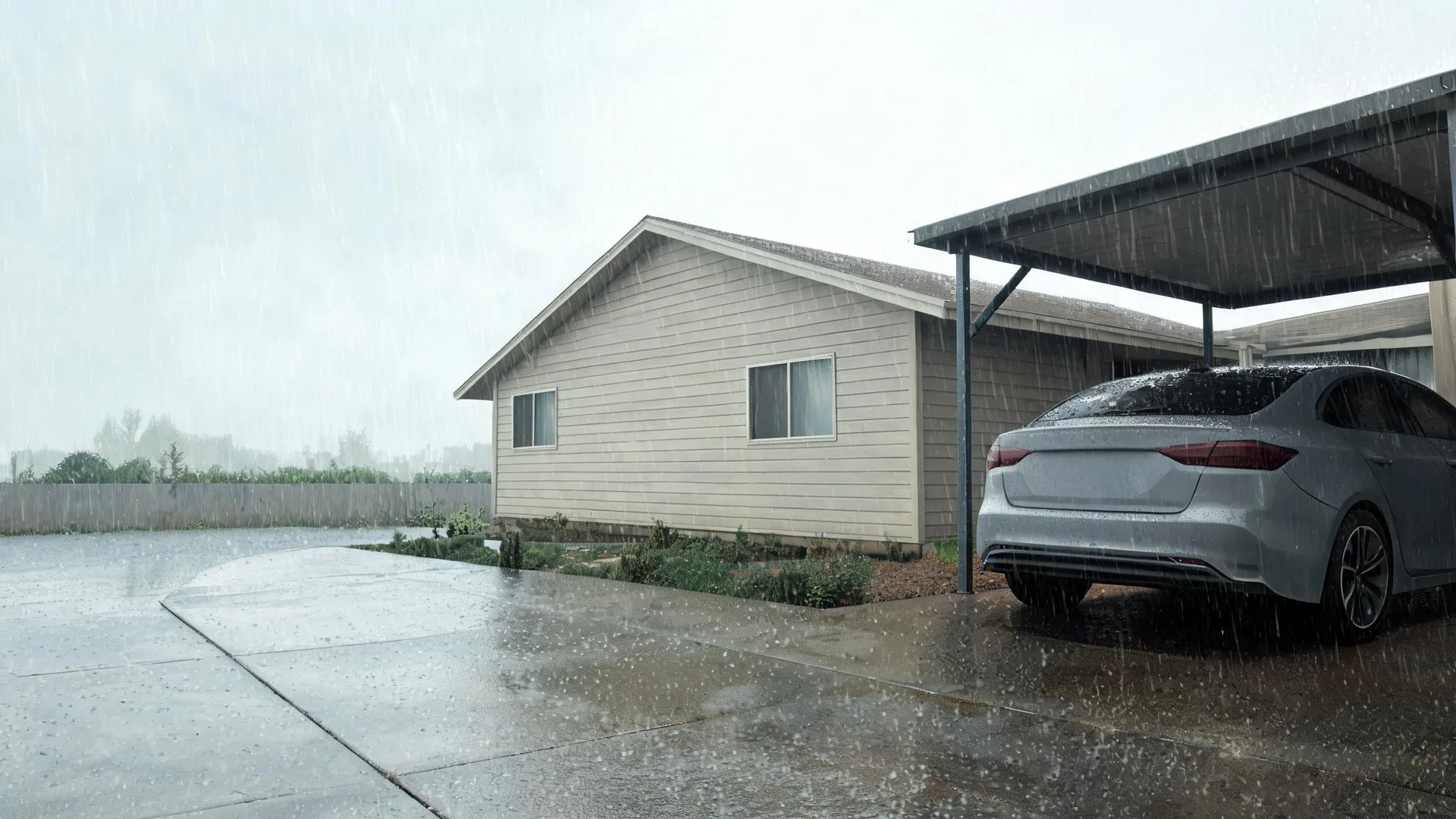
Check how close you are to the water. A site that looks fine on a dry afternoon can flood fast if rain moves in upstream, especially in a canyon or near a creek bed. Ask at the campground office whether the area floods and how fast.
Keep some distance from the fire pit and from your neighbors' fire pits too. Sparks travel farther than people expect, especially in dry conditions or wind.
If you're tent camping, avoid low spots where water collects. They're often the most level ground, which is exactly why people pick them, and exactly why they end up wet.
How you handle food, trash, and wildlife
Most campground incidents involving animals come down to food left out, not animals seeking out people. Store food in a sealed container or a vehicle, never in a tent, and pack out trash the same day instead of letting it sit by the fire pit overnight.
Cook and eat away from your sleeping area if the campground allows it. Some parks have specific rules about this, and they're usually posted at the entrance or the office, so check when you arrive rather than assuming.
If you see wildlife, keep your distance and don't approach for a photo. Animals that get used to people losing their fear of humans end up causing more problems for everyone who camps there after you.
Wash dishes and dispose of greywater away from your tent and away from any water source. Food smells linger longer than people expect, even after a site looks clean.
Questions people ask about this
What should I pack for campground safety?
A basic first aid kit, a flashlight or headlamp, and a way to call for help if your phone has no signal. A paper map of the campground helps too, since cell coverage is unreliable in a lot of campgrounds. Check with the campground ahead of time about what they recommend for the specific area, since needs vary by terrain and remoteness.
Is it safe to camp alone?
It can be, but it depends on the campground and your own comfort level. Developed campgrounds with a ranger or office on site are generally safer than backcountry spots for a solo camper. Let someone know where you're going and when you expect to be back, regardless of where you camp.
How do I avoid bears at a campground?
Store all food, trash, and scented items in a vehicle or a bear-proof locker if the campground provides one. Never keep food in your tent, even snacks. Many parks with bear activity post specific storage rules at the entrance, so check those rules when you arrive rather than relying on general habits from elsewhere.
What to do if a storm comes through while camping?
Move to a hard-sided vehicle or a designated shelter if the campground has one, since a tent offers no real protection from lightning or high wind. Avoid open fields and tall isolated trees. Check the weather forecast before you go and ask the campground office about their storm procedures when you check in.
How do I pick a safe campsite for kids?
Look for a site away from the water's edge, the road, and the fire pit, with a clear line of sight from wherever the adults will be sitting. Flat, open ground away from cliffs or steep drop-offs matters more with kids than with adults. Ask the campground staff if certain loops or sites are better suited for families.
Compare quotes to see what your coverage looks like before your next trip.
Before your next trip, call the campground directly and ask about their food storage rules, flood history, and any recent wildlife activity. Walk your site once before setting up your tent and look up, not just down, for hazards like dead branches. Pack a basic first aid kit and a paper map in case you lose signal. If you're driving an RV or towing a trailer, check your insurer's policy on roadside coverage for remote areas before you leave, since some plans limit towing distance or location.