Do Seniors Need Special RV Insurance
There is no senior-specific RV policy, but age and experience still shape what you pay and who will cover you.
No, but your situation still matters
There is no separate category of RV insurance made just for seniors. The policy itself works the same way for every driver: it covers the vehicle, the people in it, and the liability if you cause an accident or damage. Age alone doesn't change which coverages exist or which ones you're required to carry.
What does change is how an insurer sees you as a driver. A long, clean driving record usually works in your favor. How often you use the RV, whether you live in it part of the year, and how you store it also factor into the price and the coverage you're offered. Those things depend on your situation, not your birth year.
Your driving record and how you use the RV
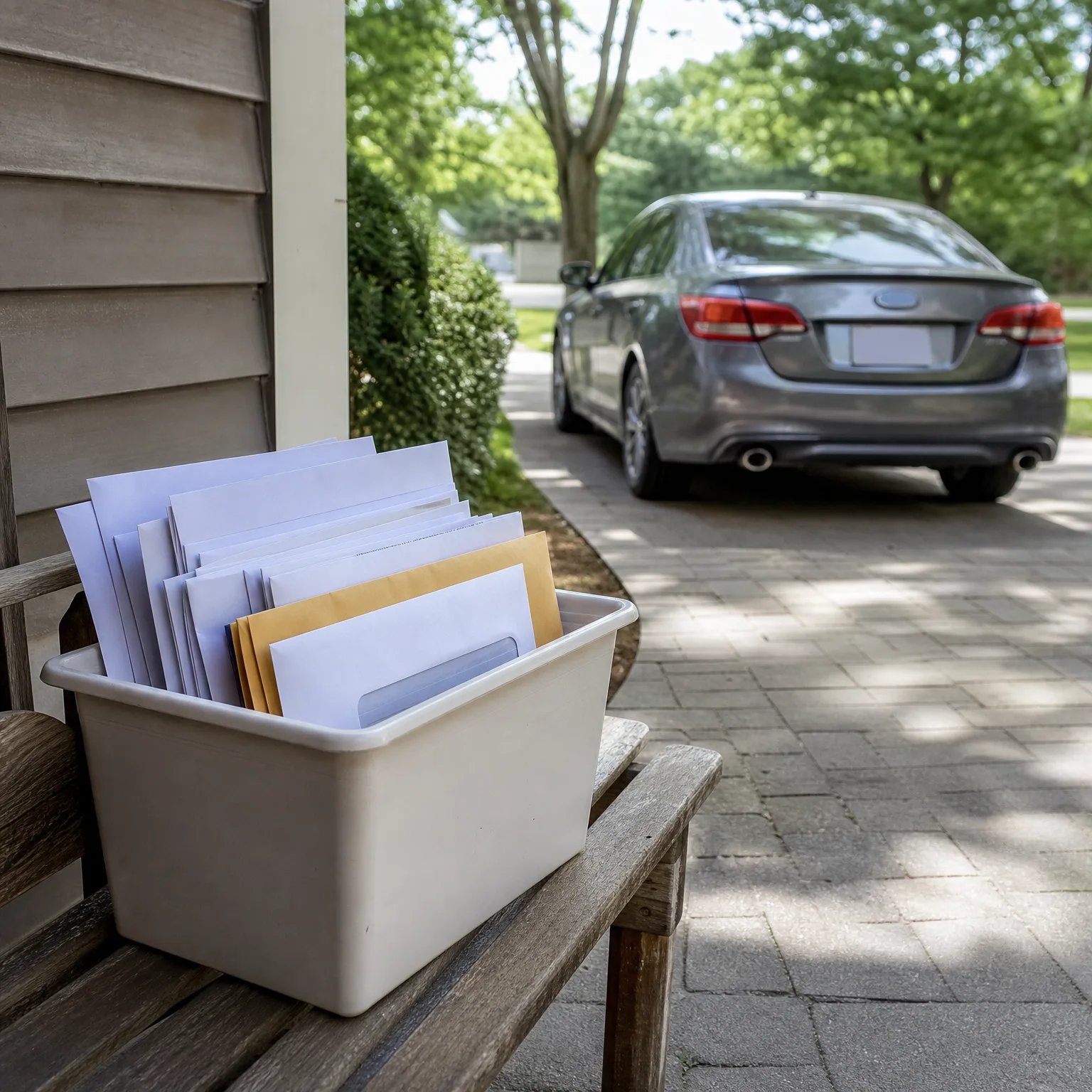
Insurers look at your driving history first. A record with no recent accidents or violations tends to work in your favor no matter your age, and decades of clean driving is an asset, not a liability.
How you use the RV matters just as much. A vehicle driven a few weekends a year is a different risk than one used for months of full-time living. If you plan to live in the RV part of the year, tell your insurer directly, because a standard policy may not assume that kind of use.
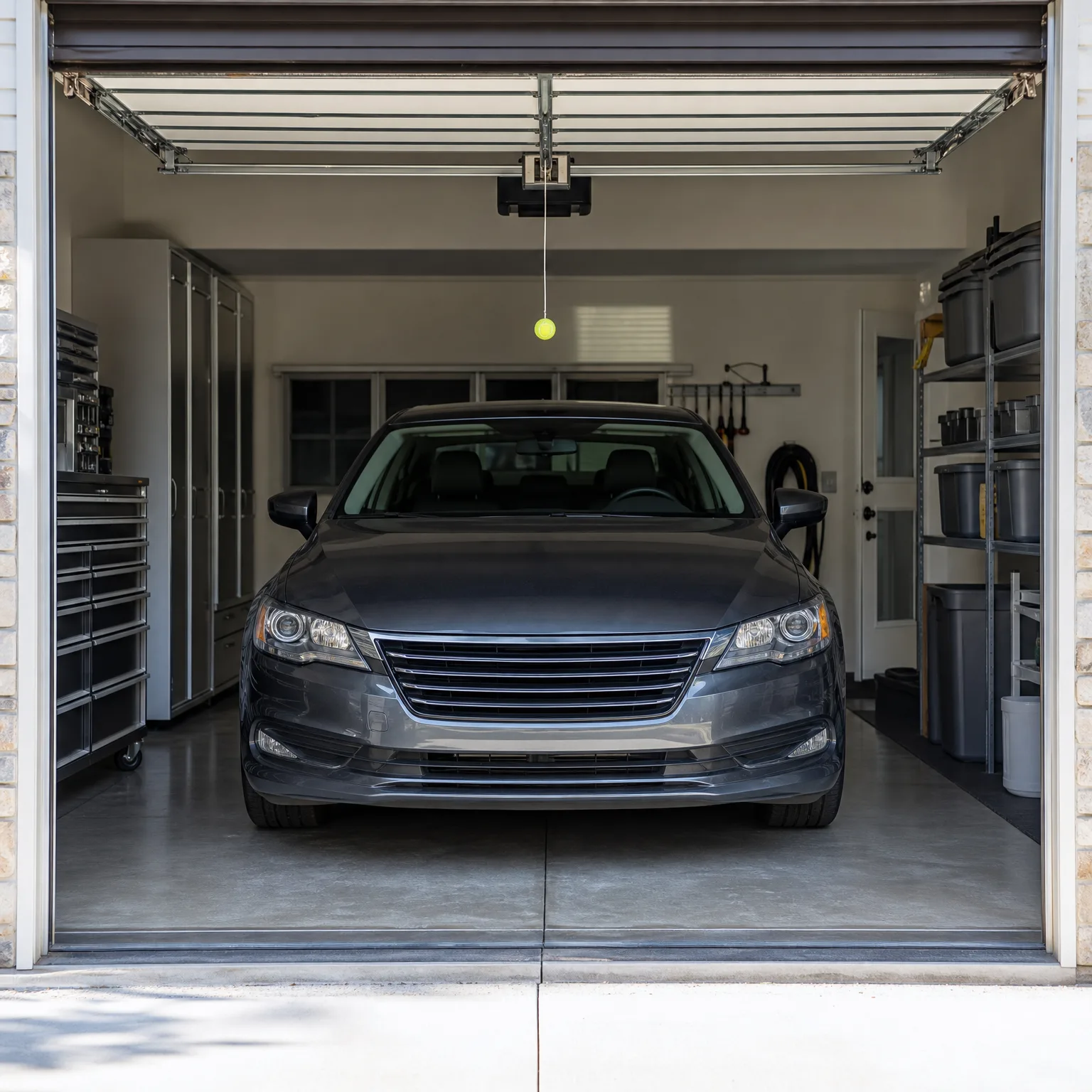
Storage matters too. Where the RV sits when you're not driving it, and for how long, can affect the coverage you need and the questions an insurer will ask when you apply.
If your driving has slowed down or you drive the RV less than you used to, say so when you get a quote. Insurers price based on what you tell them, not on assumptions.

Which insurer you choose
Not every insurer treats older drivers or RV owners the same way. Some companies specialize in RV policies and understand the difference between a weekend trailer and a full-time motorhome. Others treat an RV like any other vehicle, which can mean missing coverage that actually matters for how you use it.
Some insurers offer discounts tied to completing a defensive driving course, regardless of age. If you've taken one, ask whether it applies to your policy and what proof they need.
The only way to know how a specific insurer will treat your age, your record, and your RV is to ask them directly or compare quotes from a few companies. What one insurer sees as a reason to lower your rate, another may not consider at all.
Questions people ask about this
Does my regular auto insurance cover my RV?
Usually not fully. A standard auto policy is built for cars, not for the size, value, or living quarters of an RV. Ask your insurer directly whether your current policy extends to the RV or whether you need a separate one.
Do I need full-time RV insurance if I live in it part of the year?
If you live in the RV for extended periods, tell your insurer, because that use often requires different coverage than occasional travel. A standard policy may exclude liability or contents coverage tied to full-time living. Ask what qualifies as full-time use under your specific policy.
Will my RV insurance cost more as I get older?
It depends on the insurer and your overall record, not on age by itself. Some companies weigh driving history and claims more heavily than age. Ask how a specific insurer factors in age when you request a quote.
Does a defensive driving course lower RV insurance rates?
Some insurers offer a discount for completing one, but not all do, and the course alone doesn't change your rate automatically. You typically have to submit a certificate of completion to your insurer. Ask your insurer in advance whether they offer this and what they require.
What happens to my RV insurance if I stop driving it regularly?
How you use the RV affects what coverage makes sense. If it sits in storage most of the year, ask your insurer about coverage options for stored or seasonal vehicles rather than keeping a policy built for regular use. The right setup depends on your insurer's specific storage and usage categories.
See how your record and the way you use your RV affect your options.

Pull together your driving record, your current auto policy, and any course completion certificate you have. Write down how many months a year you actually use the RV and whether you ever live in it. When you request quotes, say this upfront instead of waiting to be asked, since it changes which coverage fits. Ask each insurer directly how they treat your age and your driving history, since this varies by company. Compare a few quotes before you renew anything, so you can see whether your current insurer is actually competitive for how you use the RV now.