How Do Seniors Lower RV Insurance
The biggest savings come from comparing insurers directly and asking about discounts tied to age, driving history, and how the RV is used.
Yes, and usually by more than one method at once
Seniors can lower RV insurance, and most who do it combine a few things rather than relying on one discount. Shopping the policy with several insurers tends to make the biggest difference, since RV insurers price older drivers differently from each other. Some view decades of driving experience as a reason to charge less. Others weigh age itself more heavily and charge more past a certain point.
Beyond shopping around, the other common paths are a driving course, adjusting how the RV is insured when it's not in use, and reviewing coverage so you're not paying for protection you don't need. Which of these helps most depends on the reader's state, their insurer, and how they use the RV.
How the RV is used and stored changes the price most
An RV that sits in storage for part of the year can often be insured differently during that time than when it's on the road. Some insurers offer a reduced coverage option for the off season that drops costly protection like liability while keeping comprehensive coverage for theft, fire, or weather damage. This only works if you tell the insurer the RV is in storage and ask directly whether they offer it.
Full-time RVers and seasonal travelers get priced differently too. If the RV is a second vehicle used a few months a year, say so. Insurers that price based on annual mileage or usage pattern will often charge less for a vehicle that's driven less.
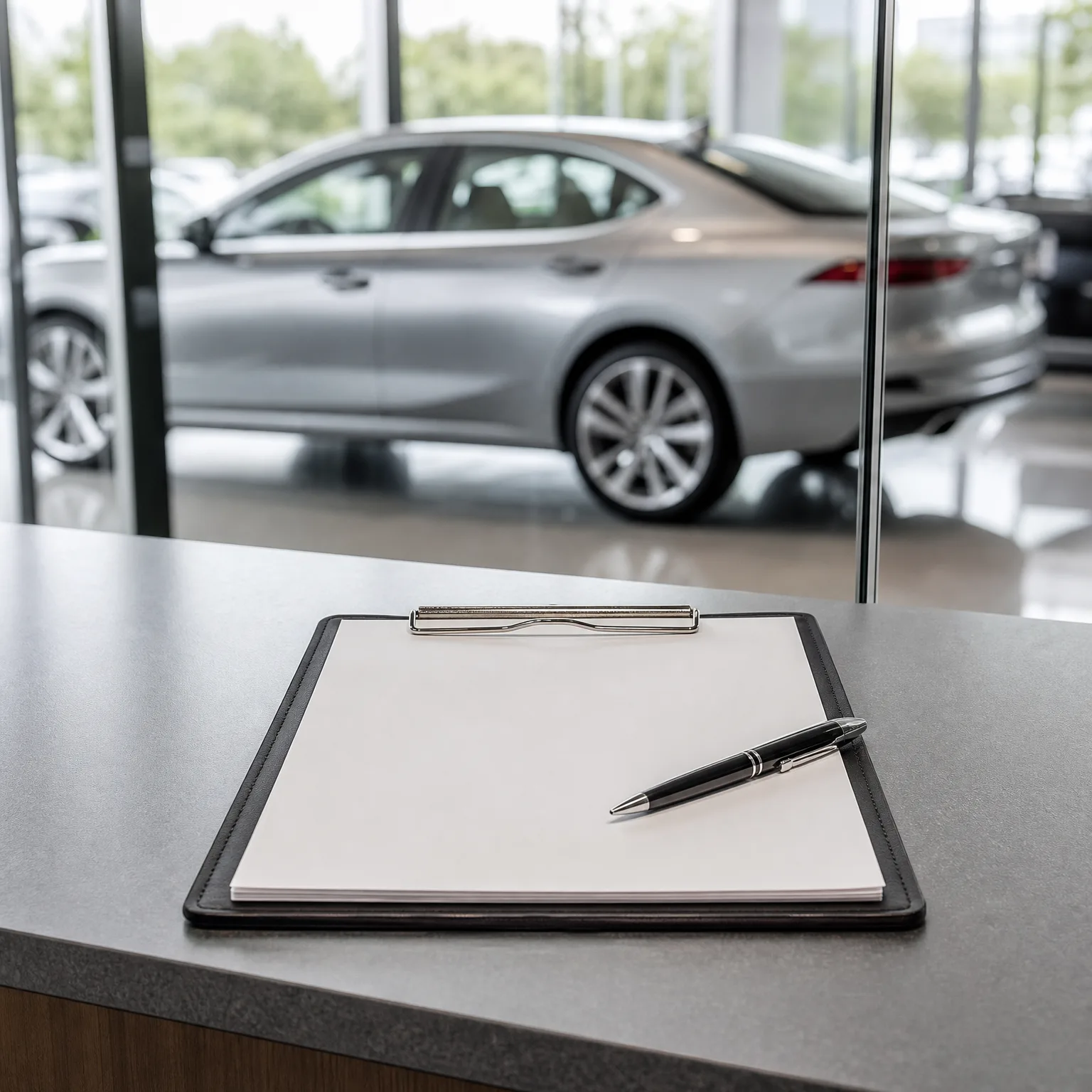
Where the RV is stored also matters. A locked, covered storage facility can cost less to insure than parking on the street or in an open driveway, since it lowers the chance of theft or weather damage. Ask your insurer if your storage situation qualifies for anything.
If you tow the RV or drive a motorhome, how that vehicle is classified affects the price too. Worth asking your agent whether your RV is classified the way that fits how you actually use it.
A driving course can lower the premium, but only if you send in proof
Many insurers reduce premiums for drivers who complete a defensive driving or mature driver course, and this discount is specifically common for older drivers. The course itself doesn't change anything automatically. The insurer has to receive the completion certificate and apply it to the policy, and that step is often missed.
Not every insurer offers this discount, and the ones that do may set their own rules about which courses qualify and how often you need to retake one. Ask your insurer before you sign up for a course which ones they accept, so the time isn't spent on a course that doesn't count.
A clean driving record matters alongside the course. Insurers look at recent history, and a long stretch without accidents or violations tends to support a lower rate whether or not a course was taken. If there's been a lapse in coverage or a recent claim, that's worth addressing first since it can outweigh any discount.
Some insurers also ask about vision or health screenings as part of underwriting older drivers. If your state or insurer requires anything like this for renewal, ask what's needed and get it done before the renewal date rather than after.
Questions people ask about this
Does bundling RV insurance with home or auto insurance save money for seniors?
Bundling often lowers the total cost because insurers discount for holding multiple policies with them. Ask your current home or auto insurer whether they also write RV policies, and get a quote both bundled and separate so you can compare the actual difference rather than assuming it's cheaper.
Is RV insurance more expensive for seniors than for younger drivers?
It depends on the insurer. Some price RV insurance lower for older drivers because of their driving history, while others increase price past a certain age regardless of record. This varies enough that comparing quotes across insurers is the only way to know how a specific company treats your age.
Can seniors get a discount for low annual mileage on an RV?
Many insurers offer this, since an RV driven only a few trips a year carries less risk than one driven regularly. Ask your insurer if they offer a low-mileage or usage-based discount and what proof they need, such as an odometer reading at renewal.
Should seniors drop collision coverage on an older RV to save money?
This depends on what the RV is worth and what you could afford to replace if it were totaled. If the RV's value is low relative to the premium for collision coverage, ask your insurer what the payout would actually be in a claim before deciding, since dropping coverage only makes sense if the numbers support it.
Does a defensive driving course discount apply to RVs or only to cars?
This depends entirely on the insurer and sometimes the state. Some extend the same mature driver discount to RV policies, others don't offer it for RVs at all. Ask your insurer directly whether a completed course applies to your RV policy before enrolling.
See how different insurers price your RV based on your age, your driving record, and how you use it.
Pull up your current RV policy and note what coverage you have, how the RV is stored, and how many months a year you actually drive it. Call your insurer and ask directly whether they offer a mature driver discount, a storage or off-season rate, or a low-mileage discount, and what they need from you to apply it. If you've taken or are considering a driving course, confirm first which courses your insurer accepts. Then get quotes from a few other insurers using the same details so you can see whether your current insurer's price holds up against the rest. Do this before your renewal date, since some discounts only apply going forward once they're on file.