What Is the Typical Lifespan of an RV
An RV's lifespan comes down to how it was built, how it was used, and how well it was kept up, not just its age.
It depends on the type of RV and how it was cared for
There isn't one number that applies to every RV. A motorhome's engine and chassis wear the way a truck's does, while the living area wears more like a house exposed to weather and road vibration. A towable like a travel trailer has no engine to wear out, so its lifespan is mostly about the frame, the roof, and the systems inside.
What shortens an RV's life is usually water. Roof seals and window seals fail over time, and once water gets into the walls or floor, it causes damage that's expensive to fix and easy to miss until it's serious. An RV that's been inspected and resealed regularly will typically outlast one that hasn't, regardless of how many miles or years it has on it.

How it was stored matters as much as how it was driven
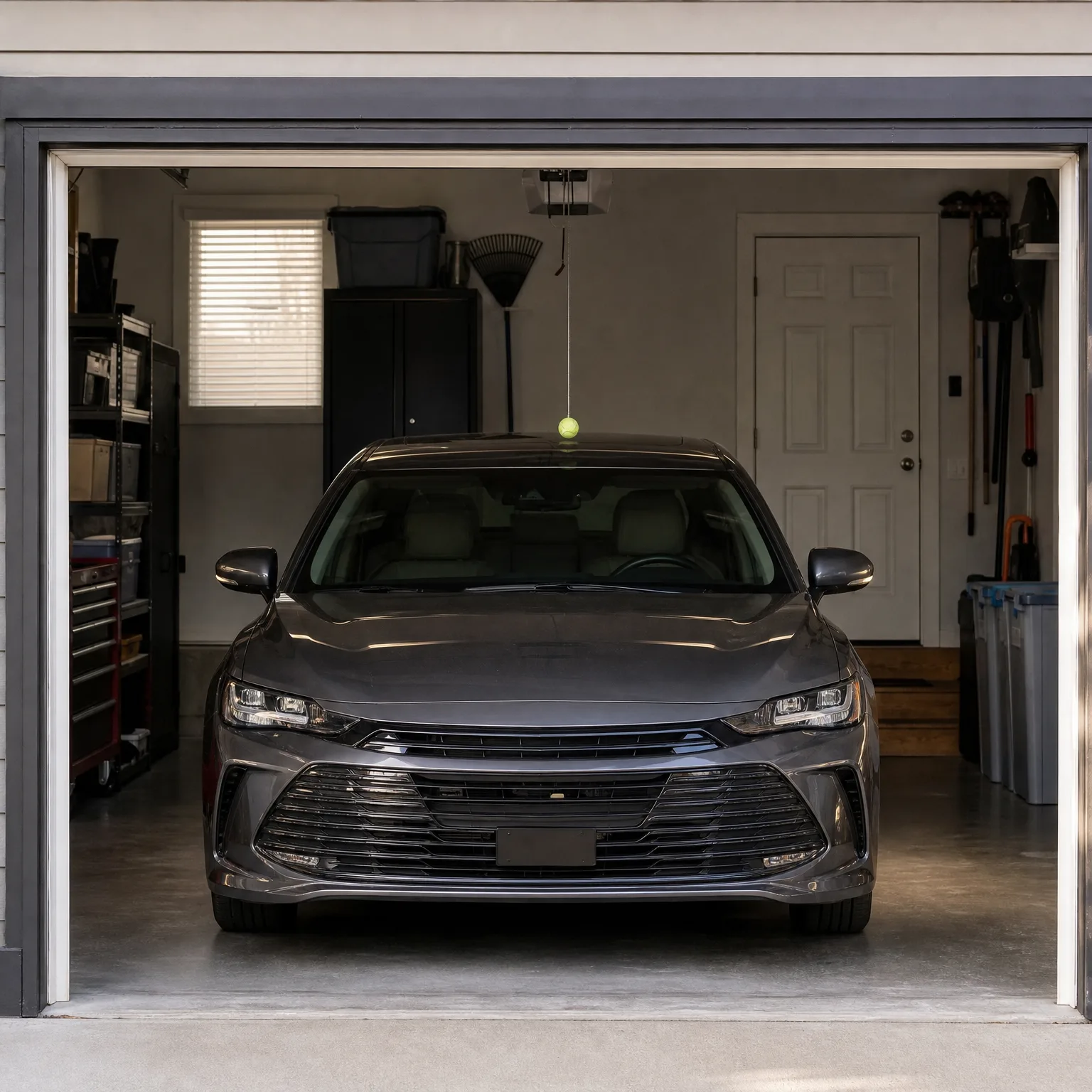
An RV kept outside year-round, exposed to sun, rain, and freezing temperatures, ages faster than one kept in a garage or under a cover. UV exposure breaks down roof membranes and seals, and freeze-thaw cycles can crack pipes and fittings if the RV wasn't winterized properly.
If you're looking at a used RV, ask where it was kept and whether it was winterized each year it sat idle. A seller who can answer that clearly, or show records of it, is telling you something real about the RV's condition.
For an RV you already own, where you store it going forward is one of the few things you fully control. Covering it, parking it out of direct sun, and keeping it dry during the off-season will do more for its lifespan than almost anything else.
State and insurer requirements around storage don't usually enter into this, but if you're insuring an RV you store long-term or use seasonally, ask your insurer how that affects your coverage.
Maintenance history tells you more than the odometer
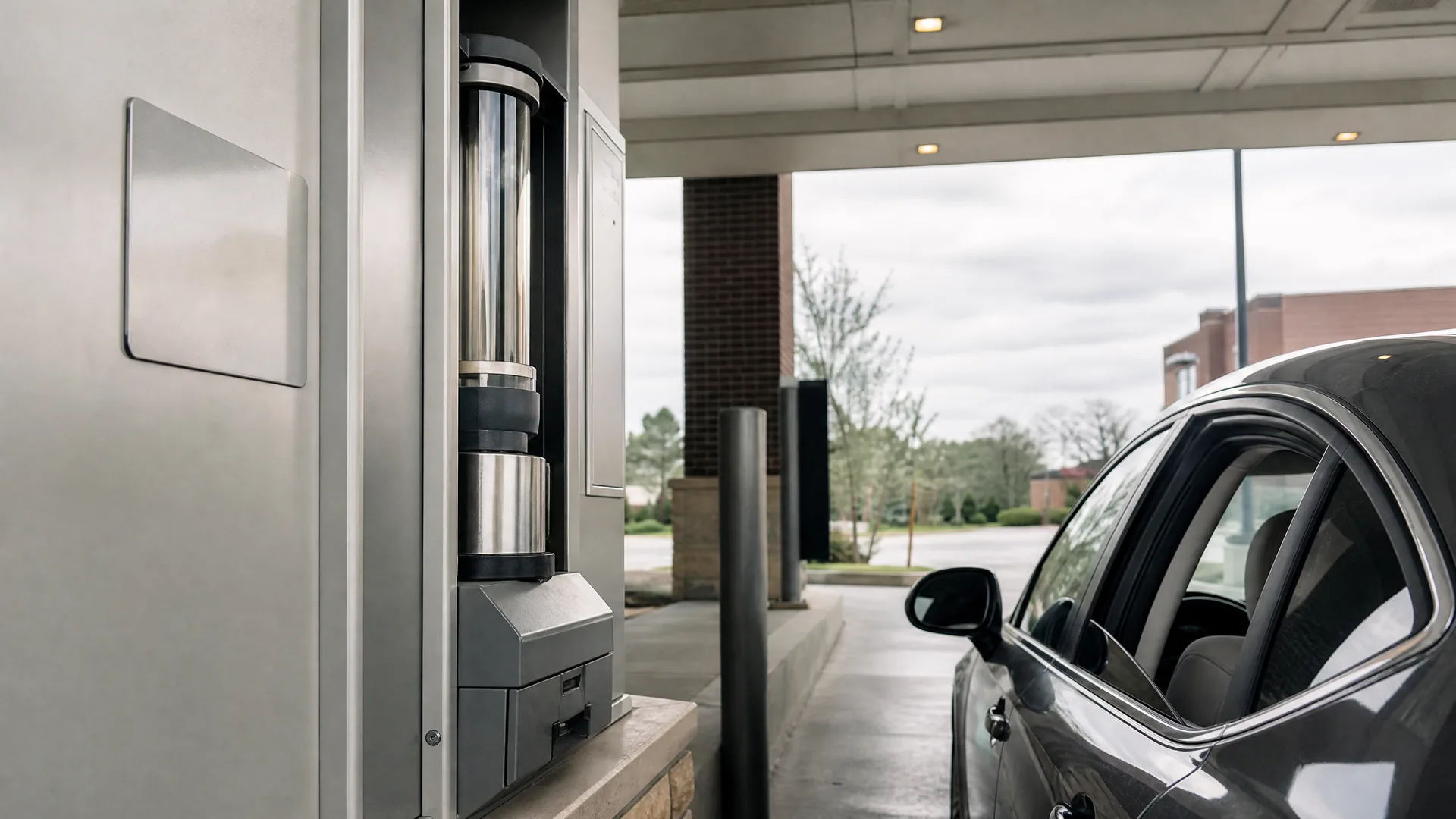
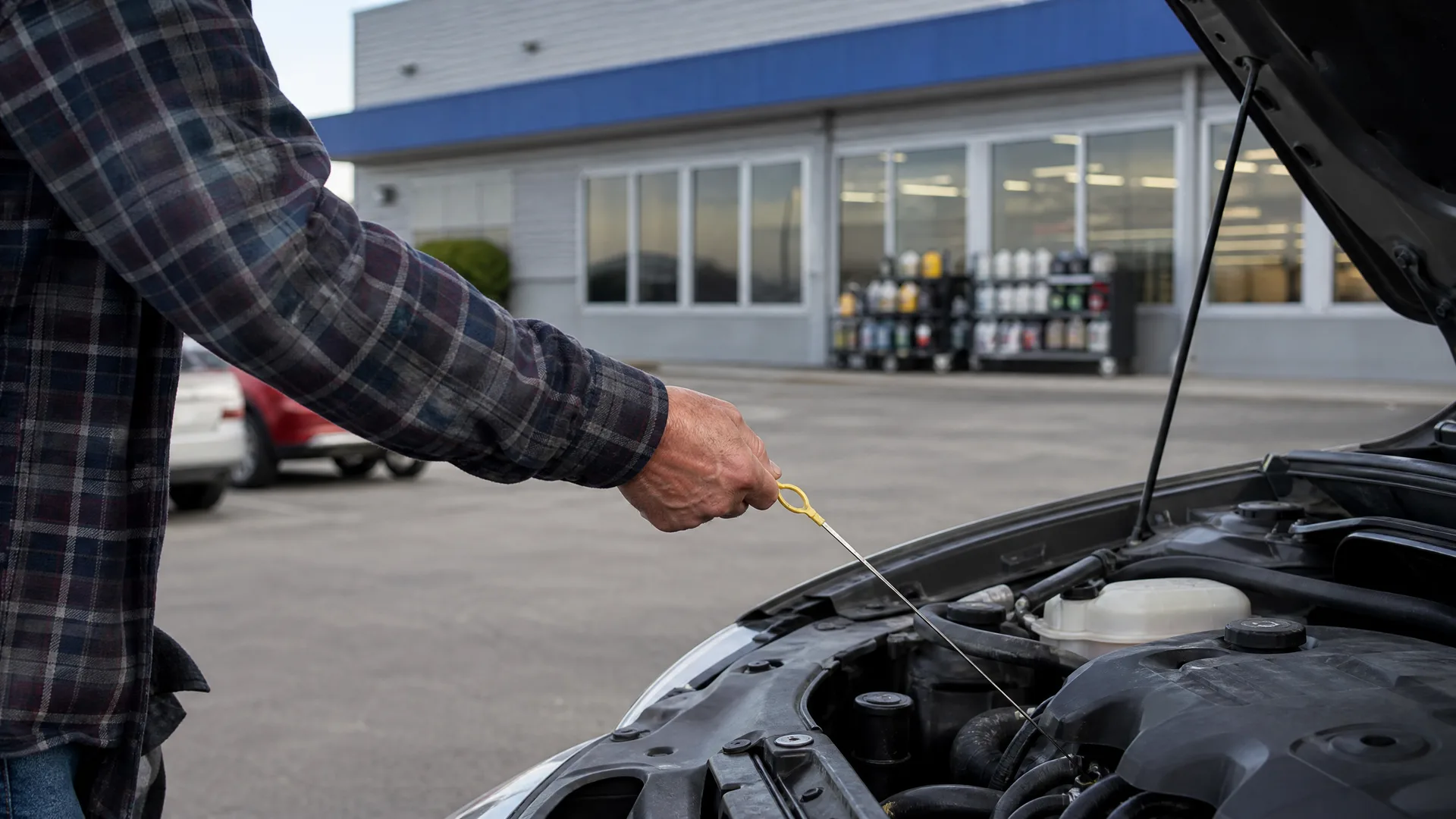
On a motorhome, the engine and chassis can often outlast the living quarters if they've been serviced on schedule. Oil changes, brake work, and tire replacement matter the same way they do on any vehicle that size.
The roof and seals need separate attention. Most manufacturers recommend inspecting and resealing roof seams on a regular schedule, and skipping that is one of the most common reasons an RV's interior starts to fail well before the engine does.
Appliances, plumbing, and the electrical system also age on their own timeline, often shaped by how much the RV was used rather than how old it is. An RV used heavily but maintained well can hold up better than one that sat unused and neglected.
If you're buying used, ask for maintenance records and any history of water damage or repairs. That history is a better guide to what you're getting than the model year.
Questions people ask about this
How many miles can an RV motorhome last?
It depends on how well the engine and chassis were maintained, much like any other vehicle. A motorhome serviced on schedule can accumulate significant mileage, while one that was neglected may have problems well before reaching that point. The living area and systems inside often need attention separately from the engine.
Does RV insurance cost more as the RV gets older?
This varies by insurer and depends on factors like the RV's condition and value, not age alone. Some insurers price coverage based on the RV's current replacement cost or market value rather than a fixed schedule tied to age. Ask your insurer how they factor in the RV's age and condition when you get a quote.
Is it worth buying an older RV?
It depends on how the RV was maintained and stored, not just its age. An older RV with a clean maintenance history and no water damage can be a solid choice, while a newer one that was neglected may need expensive repairs sooner. Ask for records and have it inspected before deciding.
How do I know if an RV has water damage before buying it?
Look for soft spots in the floor and walls, stains on the ceiling, and a musty smell, since these are common signs of water intrusion. A professional RV inspection can check areas you might miss, including behind panels and around seams. Ask the seller directly whether the roof has been resealed and when.
Should I get an RV inspected before insuring it?
An inspection can tell you about the RV's condition, which may affect what coverage options are available or how it's valued. Ask your insurer whether they require an inspection or documentation of the RV's condition before issuing a policy. Requirements vary by insurer, so it's worth asking early in the process.
See what insurers say about covering the RV you have, or the one you're considering.
If you're deciding whether to keep, sell, or buy an RV, start by pulling together its maintenance and storage history. For an RV you own, check the roof seals and look for any signs of water intrusion this week, since catching that early is far cheaper than fixing it later. For a used RV you're considering, ask the seller for maintenance records and get an independent inspection before you commit. Either way, when you're ready to insure it, have the RV's age, condition, and any recent repairs on hand so you can answer an insurer's questions accurately and compare coverage that actually fits the RV you have.