What Is the Downside of Owning an RV
An RV costs money even when it's parked, and that surprises most first-time owners.
The downside is the cost that continues when you're not using it
An RV isn't like a car you drive most days. Between trips it still needs a place to sit, and that place usually costs something, whether it's a storage lot or extra space at home. It still needs insurance, even in the months it never leaves the driveway. It still needs its engine run, its tires checked, its battery kept charged, or it develops problems from sitting still.
For a retired driver, the math is often different than it looked when they were planning the trips. The RV gets used for a few weeks or months a year, and pays rent on your attention and your budget for the rest of it. The people who regret buying one usually regret the in-between time, not the time on the road.
How often you'll actually use it
The downside shrinks or grows depending on how many weeks a year the RV is out on the road. Someone who takes one long trip and otherwise leaves it parked is paying most of the year's costs for a small slice of use. Someone who lives in it part of the year, or takes it out often, is spreading those same costs over much more benefit.
It's worth being honest about this before buying, not after. Look at an actual calendar and count the weeks you expect to use it, not the weeks you hope to. Health, energy, and other commitments tend to shrink that number as years go by, not grow it.
If the RV sits unused for long stretches, ask whether renting one for the trips you take would cost less than owning one for the trips you don't.
Storage is part of this too. A driveway or a garage that fits the RV costs nothing extra. A rented storage lot is a recurring bill for something you're not using most of the year.
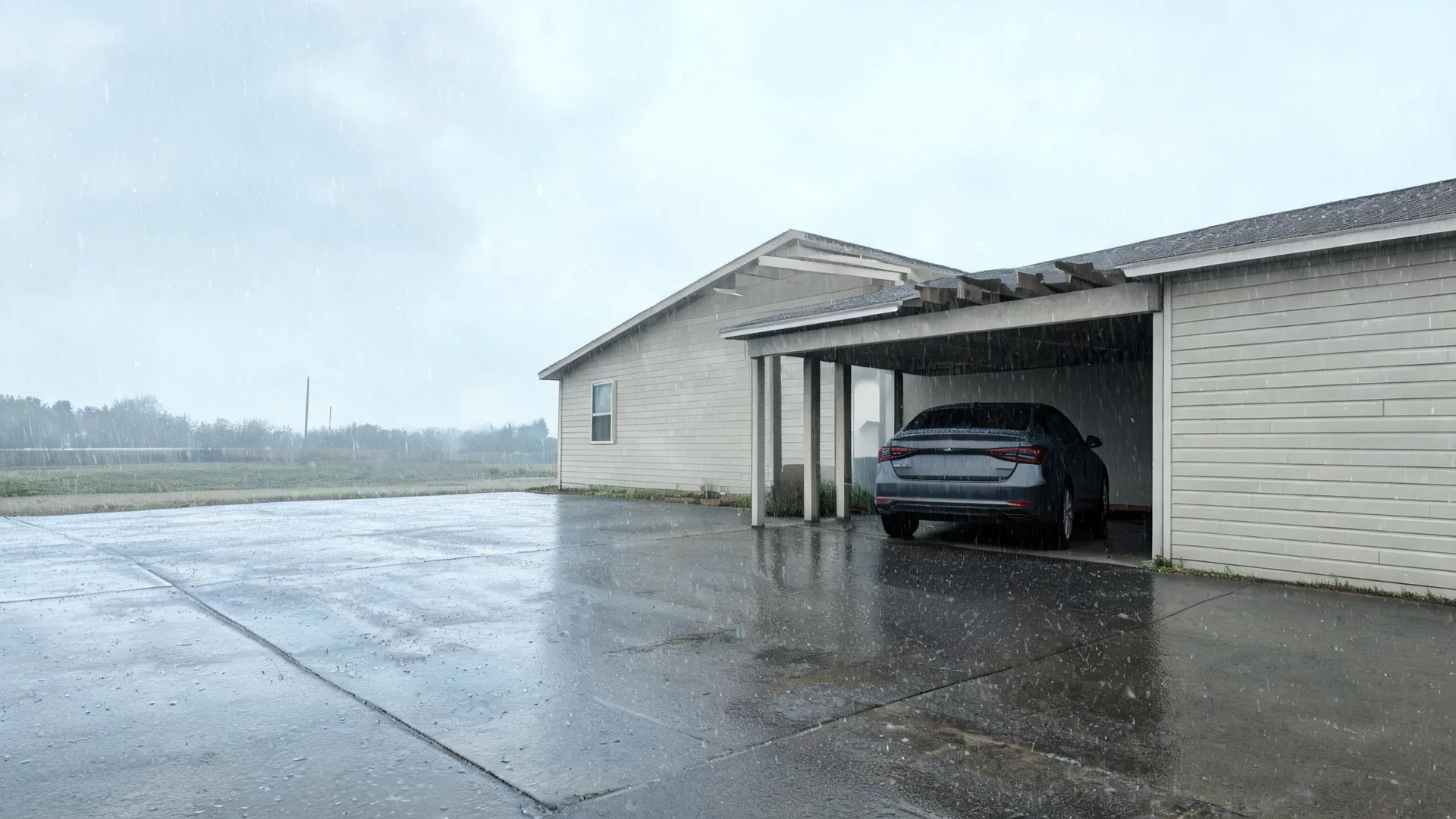
What it costs to keep running, not just to buy
The purchase price is the number people plan around, but the costs that catch people off guard come after. An RV has an engine, a generator, appliances, plumbing, and a roof, all of which age and need repair whether or not the RV is driven. Tires age out even with low mileage. Seals and roofs need resealing on a schedule, regardless of use.
Insurance is a separate ongoing cost, and it often surprises people by how much it reflects the RV's size and type rather than how it's used. Ask any insurer you're considering how they price a vehicle that's driven only part of the year, since some adjust for that and some don't.
Maintenance for an RV that sits unused for months also costs more than maintenance for a car driven daily, because batteries drain, seals dry out, and pests find their way in. Budgeting for a spring and fall check, even in a year with no major trips, avoids most of the expensive surprises.
Questions people ask about this
Is an RV worth it for occasional use?
It depends on what the trips are worth to you set against what the RV costs to hold onto between them. If the alternative is renting an RV for a couple of trips a year, compare that cost directly against ownership, storage, and insurance before deciding either way makes sense.
Does RV insurance cost more than car insurance?
It depends on the RV's size, age, and how it's classified, which varies by insurer. Ask any insurer you're comparing how they price RVs specifically, since the answer isn't the same company to company.
Can I store an RV at home instead of paying for a storage lot?
That depends on your property and your local rules, which vary by city and by homeowners association. Check with your local zoning office or HOA before assuming you can park it in a driveway or on the street long term.
Do RVs lose value quickly?
Depreciation varies by type, brand, and condition, and isn't something this page can state a figure for. A dealer or appraiser familiar with the specific make and model can give a realistic sense of how it holds value over time.
Should I rent an RV before buying one?
Renting first lets you test whether the lifestyle matches what you expected, before taking on a purchase and its ongoing costs. It's a reasonable way to find out if the amount of use you expect matches what actually happens once you own one.
If you're weighing the cost of owning an RV, see what insuring one would actually run before you decide.
Before buying, call your current insurer and ask what a policy on the specific RV you're considering would cost, including any discount for seasonal or limited use. Ask a few RV owners or a dealer what storage and annual upkeep actually run in your area. Pull out a calendar and write down the weeks you realistically expect to use it this year. If that number looks small, price out renting an RV for those same trips and compare the totals side by side before you commit to buying.