What Is a Good Size RV to Live in Full Time
The right size RV to live in full time is the smallest one that holds what you actually use every day, because every extra foot costs you in fuel, parking, and insurance.
There's no single right size, but there is a right way to find yours
The RV that works for full-time living is the one that fits your daily life without extra space you don't use. For one or two people, that's often a smaller Class B or a travel trailer in the mid-range lengths. For a family, it usually means a larger fifth wheel or Class A with separate sleeping areas.
The size that matters most isn't the one that looks roomiest in a showroom. It's the one you can drive or tow comfortably, park where you plan to stay, and afford to insure and maintain. Those three things narrow the choice more than square footage does.
Where you'll park it decides more than you'd think
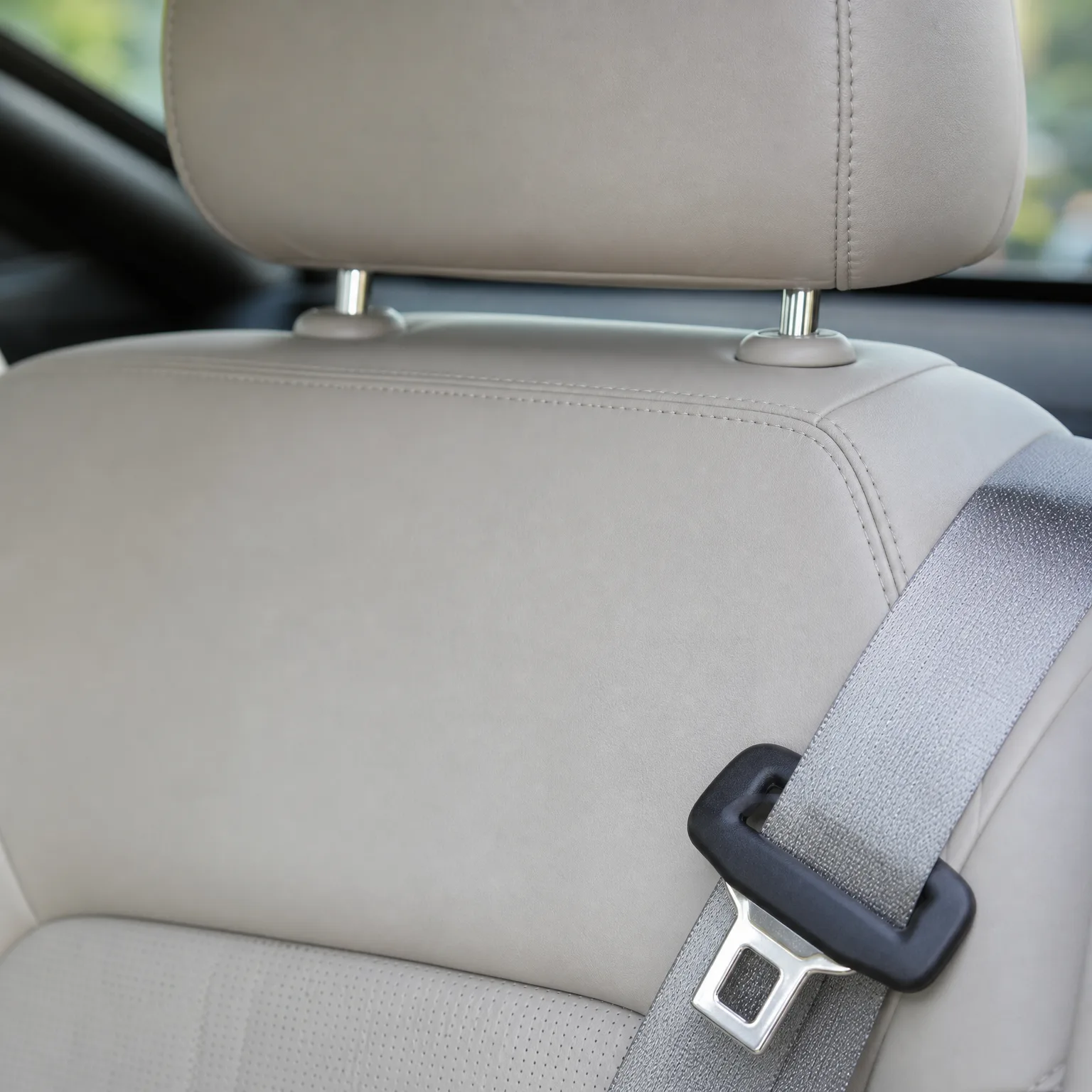
Full-time RV living means parking somewhere most nights, whether that's a campground, an RV park, or a piece of land. Many parks have length limits, and older parks built decades ago often can't fit anything over a certain length. If you plan to move between parks, call ahead and ask about their maximum length before you buy.
Boondocking or staying on public land changes the calculation again. Larger rigs struggle on narrow forest roads and tight turns, so people who plan to camp off-grid often end up choosing something smaller than they first wanted.
If you already own property where the RV will stay most of the time, you have more freedom. You can size up without worrying about whether a campground will take you.
Check this before anything else, because it rules out options the showroom won't tell you about.
What you can tow or drive safely matters as much as floor space
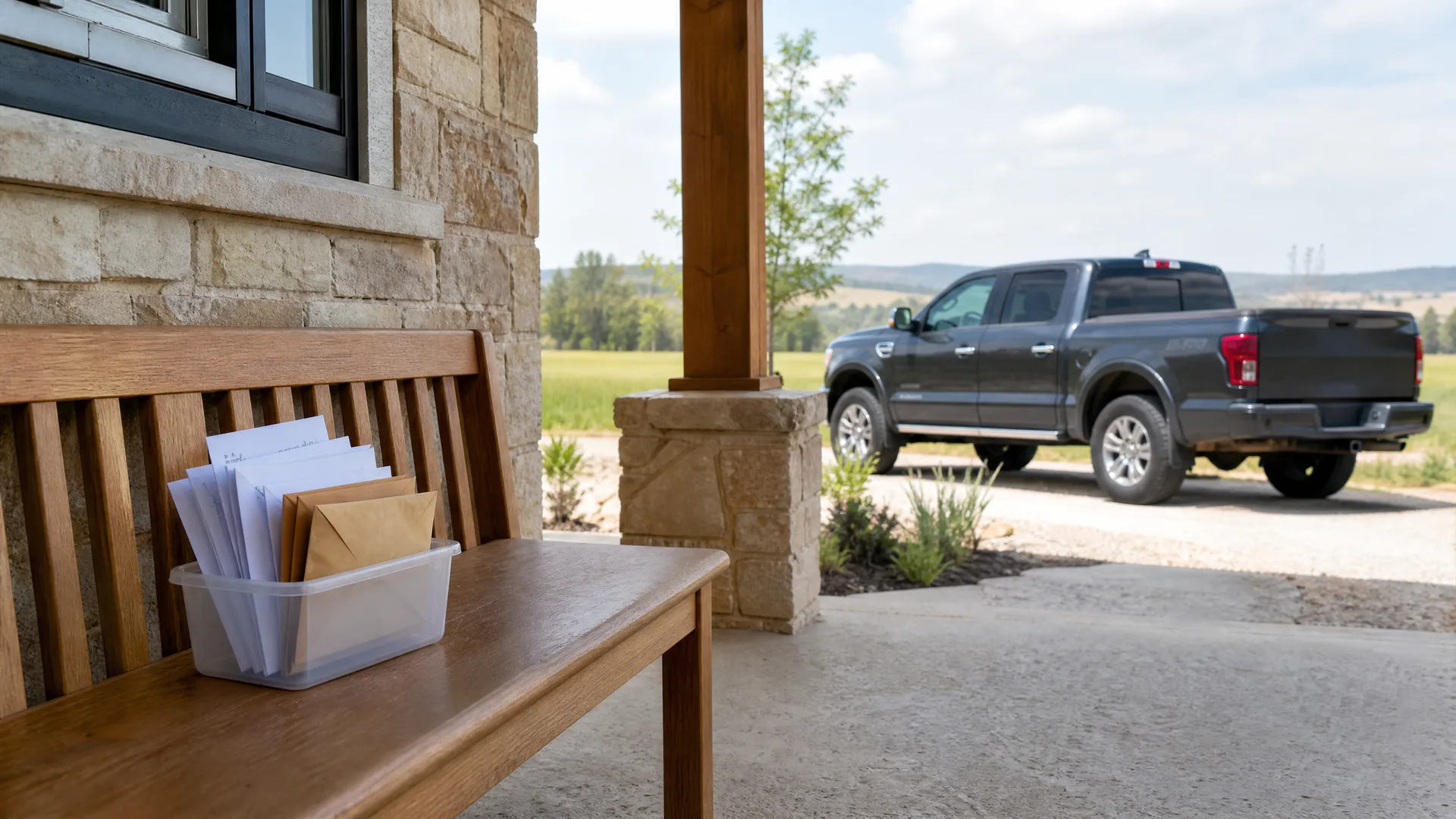
A fifth wheel or travel trailer is only as big as what your truck can tow. If you don't already own a tow vehicle rated for a large trailer, buying one adds real cost on top of the RV itself. Check the trailer's loaded weight against your truck's towing capacity, not just the advertised capacity, since cargo and water add weight fast.
A motorhome removes the towing question, but a larger Class A can be harder to drive and park for someone who hasn't driven anything that size before. Some people adjust quickly. Others find a mid-size Class C easier to live with every day, even with less interior space.
Your insurer will also look at the vehicle's size, weight, and how it's used when setting your premium, and a larger or newer RV usually costs more to insure than a smaller one. Ask any insurer you're considering how they rate RVs used as a full-time residence, since that's different from occasional recreational use and not every insurer treats it the same way.
Questions people ask about this
Can I live in an RV full time and still get regular auto insurance on it?
No, most insurers treat full-time RV living differently from occasional use and require a specific policy for it. Ask any insurer directly whether they offer full-time coverage before you buy, since not all companies do.
Do I need special insurance if my RV is also my permanent address?
You likely need a full-time RV policy rather than a standard recreational one, since insurers price the risk differently when someone lives in the vehicle year-round. Ask what counts as proof of full-time use, since some insurers want documentation like a mailing address change.
How much storage space do I actually need living in an RV full time?
It depends entirely on what you keep versus what you put in off-site storage, so there's no fixed answer. People who downsize heavily before moving in often find they need far less built-in storage than they expected.
Is a smaller RV cheaper to insure than a larger one?
Generally yes, since insurers weigh the vehicle's value, weight, and replacement cost when setting a premium. Ask for quotes on a few different sizes before deciding, since the difference can be larger than people expect.
What's the difference between insuring a Class A and a fifth wheel for full-time living?
A Class A is insured as a motor vehicle since it has its own engine, while a fifth wheel is insured as a trailer towed by a separate vehicle, so the tow vehicle needs its own policy too. Ask an insurer how they structure coverage across both if you choose a towable RV.
See what full-time RV coverage costs for the size you're considering before you commit to it.
Make a list of what you use every day now, and measure how much space that actually takes before you shop for an RV. Call two or three parks or land options you'd realistically stay at and ask about length limits. If you're considering a towable RV, check your tow vehicle's rated capacity against the trailer's loaded weight, not just its dry weight. Then ask a few insurers how they handle full-time use, since that coverage is different from a policy written for occasional trips, and get a sense of the cost difference between the sizes you're weighing before you make a final decision.