What Are Common RV Insurance Exclusions
Most RV policies exclude certain kinds of use, certain kinds of damage, and anything tied to how you maintained the vehicle.
The common exclusions fall into a few groups
Every RV policy leaves some things out, and most insurers leave out similar things. Using the RV for business, renting it out, or living in it full time without the right endorsement are common exclusions. Wear and tear, mechanical breakdown, and damage from neglect are usually excluded too, along with certain water damage and pest damage that insurers treat as a maintenance issue rather than an accident.
Which exclusions apply to your policy depends on your insurer and the type of policy you bought. A policy written for occasional recreational use is not the same as one written for someone living in their RV most of the year. The only way to know what's excluded on your policy is to read the exclusions section or ask your agent directly.
How you use the RV changes what's covered
Insurers write RV policies around an expected use. If you use the RV the way the policy assumes, the exclusions rarely come up. If your use changes, the exclusions can start to matter.
Full time living is the biggest example. A policy sold for weekend trips and summer vacations often excludes damage that happens while someone is living in the RV as their primary residence. If that describes you, ask your insurer whether you need a full timer endorsement, not just a standard policy.
Renting out the RV, using it to haul paying passengers, or using it for business purposes runs into the same problem. Personal use policies are built around personal use. Anything that starts to look commercial can fall outside what the policy covers, even if the damage itself looks like an ordinary accident.
If your situation doesn't match the use the policy assumes, say so when you buy or renew. It's easier to get the right coverage written in than to find out after a claim that it wasn't there.
What most owners get wrong about maintenance exclusions
A lot of RV owners assume that if something breaks while they're driving or parked, it's covered. Insurers draw a line between sudden damage and damage that built up over time.
A tree falling on the roof is an accident. A roof that leaks because the seals were never replaced is treated as a maintenance failure, and most policies exclude it. The same goes for mechanical breakdown, tire blowouts caused by old tires, and interior damage from a leak that went unaddressed for months.
Insurers can ask for maintenance records when a claim looks like it might fall into this category. Keeping receipts for seal checks, tire replacement, and routine servicing is the simplest way to show that damage was sudden rather than the result of neglect.
If you're not sure where a particular kind of damage falls, ask your insurer directly rather than assuming it's covered because it feels like an accident to you.
Questions people ask about this
Does RV insurance cover water damage?
Sudden water damage, like a storm or a burst pipe, is often covered, but gradual leaks from unsealed seams or an unmaintained roof are usually excluded. Check your policy's exclusions section for how it defines the difference, since insurers word this differently.
Is it covered if I live in my RV full time?
Not under a standard recreational policy. Full time living usually requires a separate endorsement or a different type of policy entirely. Ask your insurer whether your current policy accounts for full time use before you need to rely on it.
Does RV insurance cover the awning or attachments?
It depends on the policy and sometimes on how the damage happened. Attachments like awnings, satellite dishes, and slide outs are covered by some policies and excluded or limited by others. Ask your insurer specifically about attachments rather than assuming they're treated the same as the RV itself.
What happens if I rent out my RV and something goes wrong?
A personal use policy generally excludes damage that happens while the RV is being rented out to someone else. If you rent your RV even occasionally, ask your insurer whether you need a commercial or rental endorsement to stay covered.
Can my insurer deny a claim for poor maintenance?
Yes, if the damage is tied to something that should have been maintained, like a failing roof seal or an aging tire. Insurers can ask for maintenance records to support or dispute a claim, so keeping documentation of routine upkeep is worth doing.
See how policies in your area differ on these exclusions before you renew.
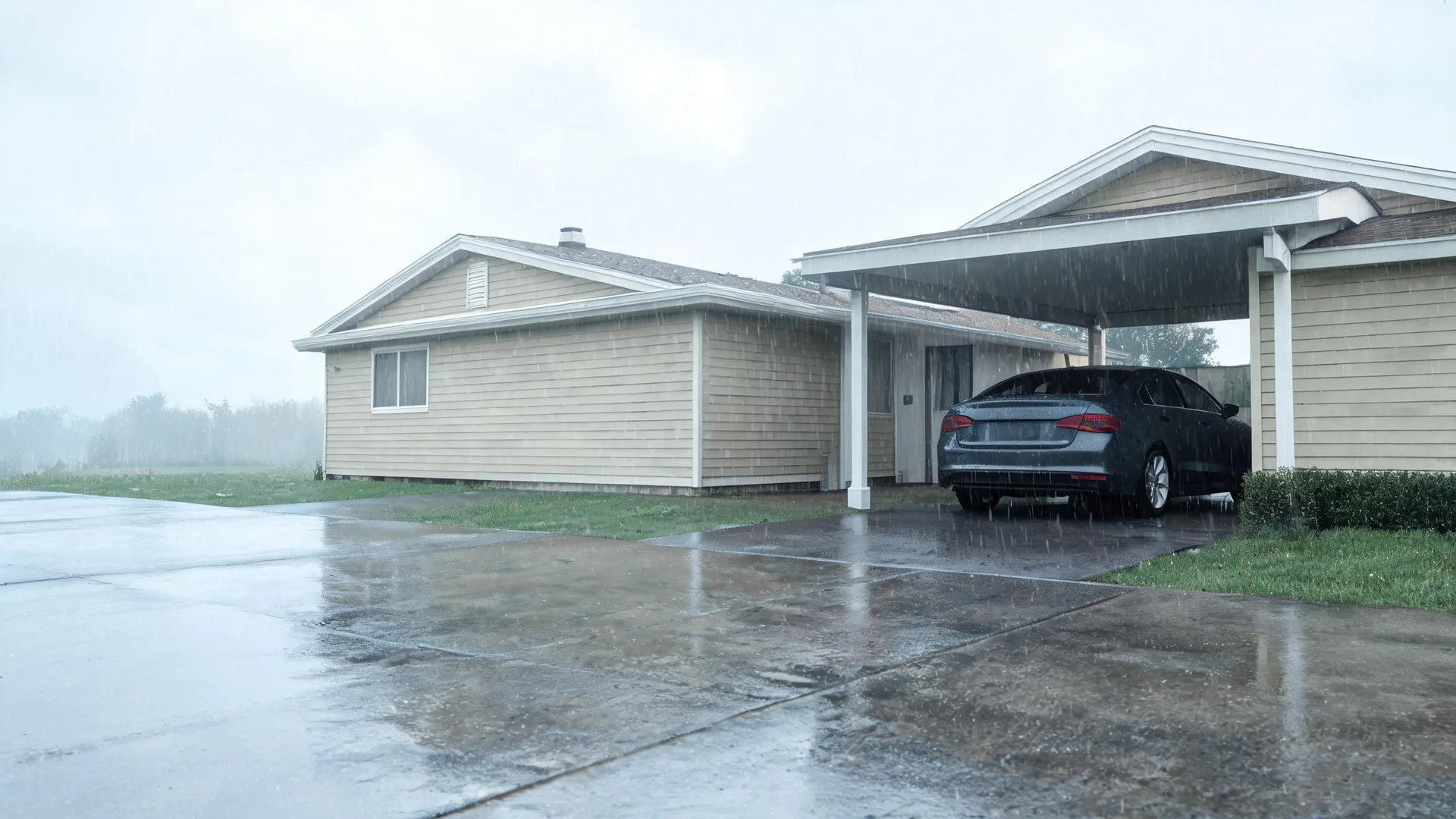
Pull out your current RV policy and find the exclusions section, then read it against how you actually use the RV. If you live in it part of the year, rent it out, or use it for anything beyond personal trips, call your insurer and ask whether that use is covered. Ask specifically about full timer endorsements, rental use, and how they define gradual versus sudden damage. If you've had any seal, roof, or tire work done, keep the receipts somewhere you can find them. When you're ready to compare options, look at how different insurers word these exclusions, since the differences are often in the details rather than the price.