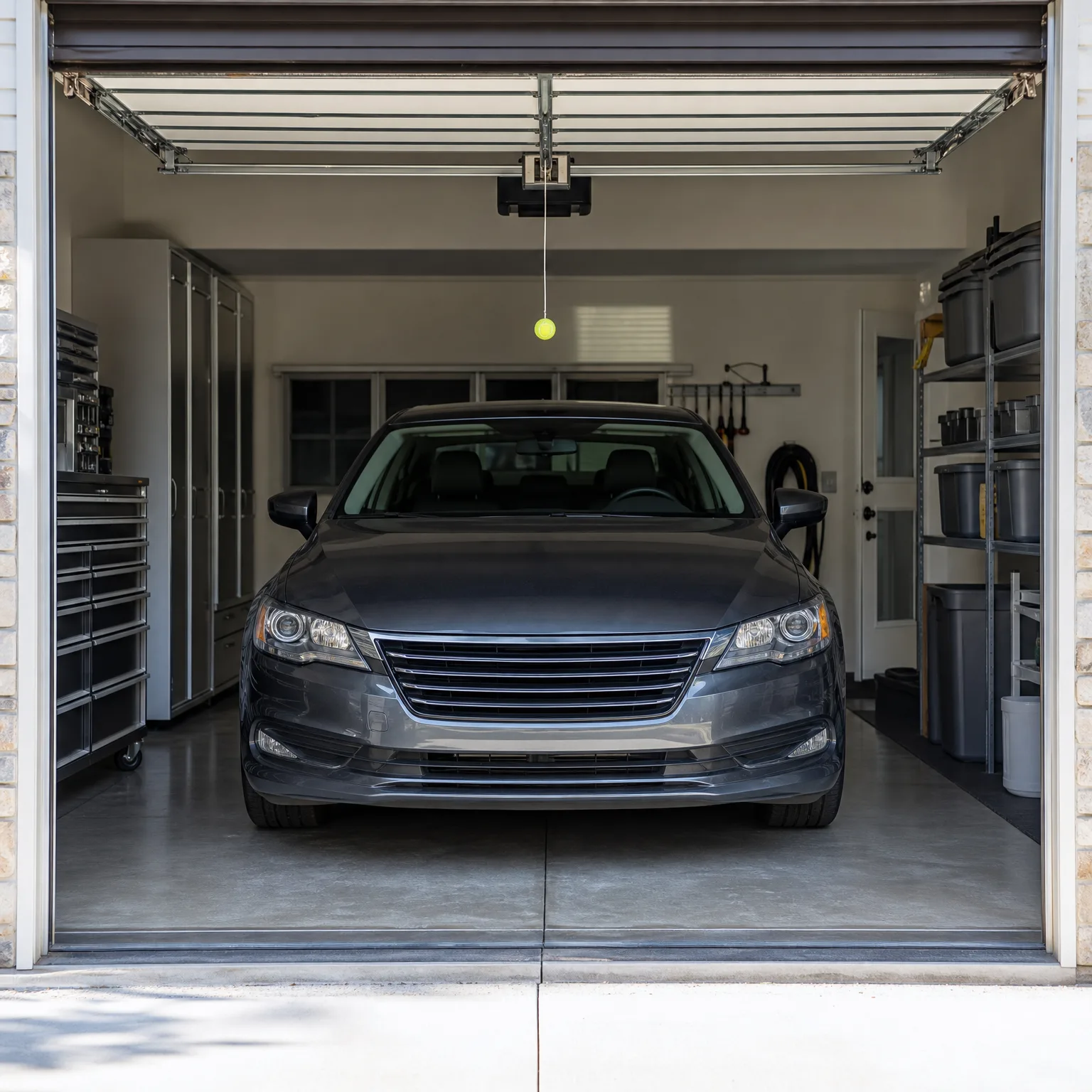
RV Insurance for Seniors in Florida
Florida seniors can get RV insurance from most companies that sell it, and age by itself rarely closes that door.
Yes, seniors in Florida can get RV insurance
Most insurers that sell RV policies in Florida will cover a senior driver. There's no age where coverage simply stops being offered. What changes is how the insurer prices the policy and what they ask about your driving.
Insurers look at your driving record, how the RV is used, and how it's stored or parked, the same things they'd look at for any driver. Some also ask about a recent vision test or a driving course, especially if your license has restrictions on it. Whether any of that applies to you depends on your insurer and on what Florida requires for your license renewal, so it's worth checking both.

Your Florida license and any restrictions on it
Florida reviews licenses more closely as drivers get older, and some drivers end up with a restriction, like needing corrective lenses, noted on the license. If your license has a restriction, your insurer may ask about it when you apply or renew, since it affects whether you're driving within the terms of your own license.
If you've recently renewed your license and passed a vision test or any other requirement, keep that paperwork. Some insurers ask for it, and having it ready can keep your application moving instead of stalling on a follow-up question.
If you've taken a defensive driving or mature driver course, that's separate from the license renewal, but it can matter to your insurer too. Ask your agent directly whether completing one could affect your premium, since the answer depends on the company.
How you use the RV
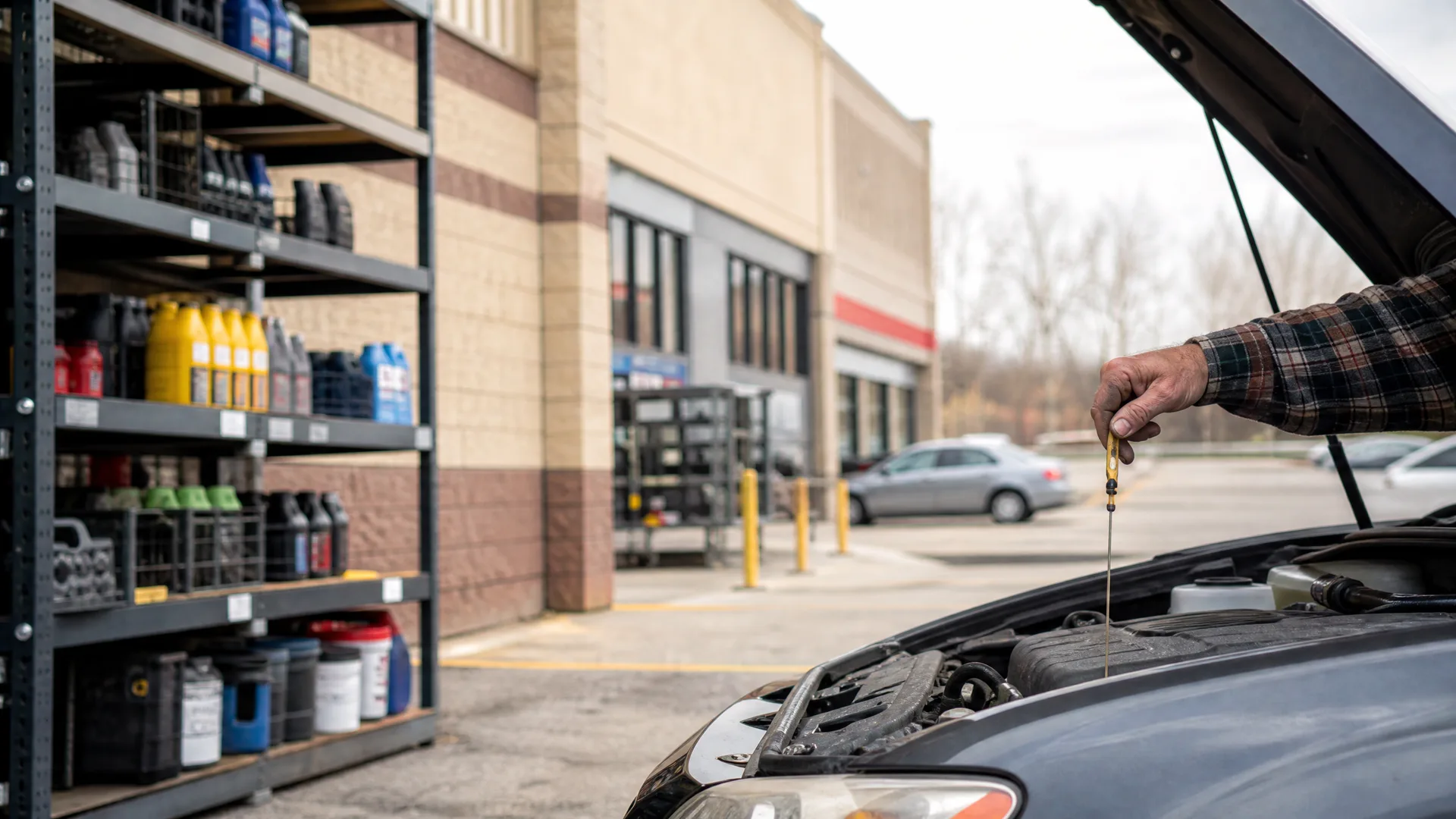
Insurers ask whether the RV is your only vehicle, a second vehicle you drive sometimes, or a storage unit you only move a few times a year. A retired driver who takes long trips in the RV looks different to an insurer than one who parks it most of the year and uses a car for daily errands.
Where you keep it matters too. An RV parked in a monitored storage lot is treated differently than one parked on the street or in a driveway, because the risk of theft or damage changes.
If you're newly retired and plan to use the RV more than you used to, mention that when you get quotes. Your usage pattern is one of the things that shapes the price, and an outdated answer on file can cause problems later if you ever need to file a claim.
Questions people ask about this
Do I need a special license to drive an RV in Florida?
Most RVs in Florida can be driven on a standard license, but very large motorhomes may fall under a different weight class that requires an endorsement. Check the weight listed on your RV's registration and ask the Florida DMV whether it crosses that threshold.
Will my RV insurance drop if I only drive it seasonally?
Some insurers offer a lower rate for an RV that's stored for part of the year rather than driven year-round, since less time on the road means less exposure to risk. Ask your insurer directly whether they offer a seasonal or storage-only option and what counts as qualifying for it.
Does RV insurance cover the stuff inside the RV?
Basic RV policies typically cover the vehicle itself, not your personal belongings inside it, unless you add coverage for that. If you keep valuable items in the RV, ask your insurer whether personal property coverage is included or sold separately.
What happens to my RV insurance if I stop driving but still own the RV?
If you stop driving but keep the RV, you may be able to switch to a storage or non-operating policy that covers damage and theft but drops the parts of the policy tied to driving. Ask your insurer what options exist for an RV that's no longer being driven regularly.
Can I insure an RV I use as a part-time residence in Florida?
Some insurers offer specific coverage for RVs used as a part-time or full-time residence, which can include things a standard policy doesn't, like coverage for the RV as a dwelling. This depends on the insurer, so ask directly whether they offer this and how it differs from a standard RV policy.
See what RV insurers in Florida would charge you before you commit to renewing with just one.
Pull together your current RV registration, your Florida license, and any recent vision test or driving course certificate before you start getting quotes. Call your current insurer first and ask directly how your age and driving record are factored into your premium, since that answer varies by company. Ask whether storing the RV in a monitored lot or taking a driving course would change your rate. Then compare that quote against a couple of others that specialize in RV coverage, since not every insurer prices seniors the same way. If you plan to use the RV differently this year than last, mention that upfront rather than after a claim.