Motorhome Insurance vs Car Insurance
A motorhome needs its own policy because it covers living space and belongings a car policy was never built to insure.
They're built on different assumptions
Car insurance assumes you drive often and the vehicle holds little value beyond getting you places. Motorhome insurance assumes the opposite: the vehicle sits for long stretches, carries appliances and furnishings, and sometimes serves as a second home. Insurers price and structure the two differently because of that.
A motorhome policy can include coverage for the contents inside, for attached structures like awnings, and for the cost of a hotel if the vehicle breaks down far from home. A standard car policy has none of that. If you're currently insuring a motorhome under a regular auto policy, check whether it actually covers those things, because it may not.

How you use the motorhome changes the policy
If you live in it part of the year or use it as a second residence, that's different from taking it out a few weekends a summer. Insurers ask about this because it affects how much risk they're taking on, and it can affect what coverage you're offered or required to carry.
Full-time use often calls for coverage closer to a homeowners policy, including liability for someone injured while visiting you inside the vehicle. Occasional use for trips usually doesn't need that, and the policy reflects it.
Tell your insurer exactly how you use it. A policy written for weekend trips may not respond the way you expect if the motorhome was actually your residence when something happened.
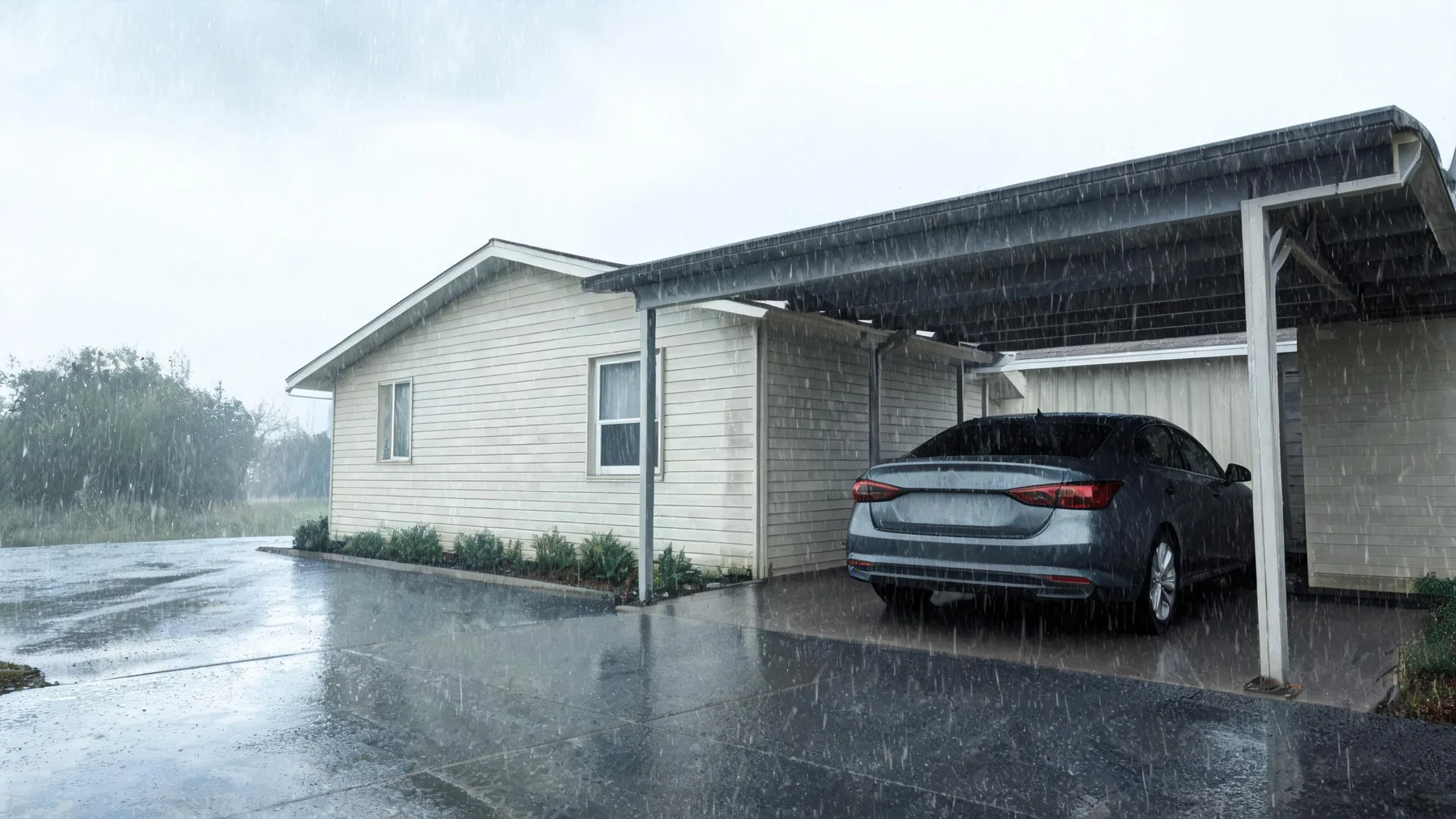
What most people get wrong about coverage limits
People bring over habits from car insurance, like assuming liability limits that worked for a sedan are enough for a vehicle this size. Motorhomes can cause more damage in a serious accident and can be more expensive to repair or replace, so the limits that made sense for a car often fall short here.
Personal belongings are another gap. A car policy was never meant to cover what's inside the vehicle. A motorhome often carries clothing, electronics, and furnishings worth insuring, and that needs to be added specifically, not assumed.
Ask your insurer directly what happens to your belongings and your living space in a covered loss. If the answer sounds like it's describing a car, the policy probably is one, even if it's written for a motorhome.
Questions people ask about this
Do I need a separate motorhome insurance policy or can I add it to my car policy?
In most cases a motorhome needs its own policy rather than an addition to a car policy. The coverages involved, like contents and living space, aren't things a car policy is built to handle. Ask your insurer whether they write motorhome policies directly or whether you'd need a specialist insurer.
Does motorhome insurance cost more than car insurance?
It depends on the vehicle, how it's used, and the coverage chosen, so there's no single answer. A motorhome is often a larger, more expensive vehicle to repair or replace, which tends to push cost in one direction, while limited annual mileage can push it the other way. Comparing quotes for your specific vehicle is the only way to know.
What happens to my motorhome insurance when it's in storage for the winter?
Many insurers offer a reduced coverage option for months when the motorhome isn't being driven, sometimes called storage or layup coverage. This usually keeps protection against theft or weather damage while dropping the parts of the policy tied to driving. Ask your insurer whether they offer this and how to switch it on and off.
Does my motorhome insurance cover the car I tow behind it?
A towed vehicle usually needs its own coverage, either through its own policy or an endorsement added to the motorhome policy. This varies by insurer, so ask specifically whether towing is covered and what happens if the towed vehicle is damaged or causes damage to someone else.
Do I need a special license to drive a motorhome that affects my insurance?
This depends on the state and on the size and weight of the motorhome. Some states require a special license or endorsement above a certain vehicle weight, and driving without the required license can affect a claim. Check with your state's motor vehicle agency for the rule where you live, and confirm with your insurer how it affects your policy.
See how a motorhome policy compares to what you're paying now.
Pull up your current policy and check what it actually says about contents, attached structures, and emergency lodging. Call your insurer and ask directly whether a car policy or a motorhome policy is what's covering the vehicle right now. If you use the motorhome for extended stays or as a second home, say so, since that changes what you need. Have the vehicle's weight, length, and how many months a year you use it ready before you call, since those details affect both the coverage and the quote. Then compare at least two or three quotes built specifically for motorhomes before you renew whatever you have now.