Is a Camper Van Cheaper to Insure
A camper van usually costs less to insure than a larger motorhome, but it depends on what you compare it to and how you use it.
It often costs less, but the comparison matters
A camper van is typically cheaper to insure than a Class A or Class C motorhome. It's smaller, worth less, and easier to repair, and insurers price it closer to a van or a small truck than a house on wheels.
But cheaper than what is the real question. Compared to insuring a regular car, a camper van usually costs more, because it's worth more and carries more risk if something goes wrong. Compared to insuring a full-size RV, it usually costs less. Where you land depends on the van's value, how you use it, and which insurer you ask.

How you use the van changes the price
Insurers ask whether the van is your everyday vehicle or a seasonal one you take out for trips. A van that sits most of the year and gets used for a few weeks of travel is often cheaper to insure than one you drive daily, because there's less time on the road and less chance of a claim.
If you live in it part of the year, or rent it out, tell your insurer. A standard auto policy may not cover those uses, and if it doesn't, a claim could be denied. Ask directly whether your policy covers full-time living or any rental use before you assume it does.
The van's permanent fixtures also matter. A basic camper van with a bed and some storage is cheaper to insure than one with a kitchen, plumbing, or solar setup, because there's more to replace if it's damaged or stolen.
Your state and your driving record still set the baseline
Camper van insurance is still auto insurance, so the same things that affect your car's premium affect this one. Your driving record, where you keep the van, and how often you drive it all factor in before the vehicle type does.
For drivers 65 and older, insurers look at recent driving history more than age by itself. A clean record over the last several years counts for more than a birthday.
State rules also vary on what counts as an RV versus a van conversion for insurance purposes, and that can change which coverage options are available. If you're not sure how your state classifies your van, ask your insurer directly, since it affects what the policy covers and sometimes what it's required to cover.
Questions people ask about this
Do I need RV insurance for a camper van or just regular car insurance?
It depends on how the van is built and used. A camper van with minimal conversion may qualify for standard auto coverage, while one with a kitchen, bathroom, or sleeping systems often needs an RV or camper-specific policy. Ask your insurer how they classify your specific van before you buy a policy.
Does a camper van need separate insurance from my car?
Yes, if it's a separate vehicle, it needs its own policy. You can't extend your car's insurance to cover a second vehicle, even if you own both. Some insurers offer discounts for insuring multiple vehicles with them, so it's worth asking.
Will converting a van into a camper raise my insurance cost?
Usually yes, because the conversion adds value and complexity to the vehicle. Appliances, bedding, and custom storage all increase what the insurer would have to pay out in a claim. Tell your insurer about any conversion work, since an unreported conversion can affect whether a claim is paid.
Can I get a discount on camper van insurance for being a safe driver or taking a defensive driving course?
Many insurers offer a discount for a clean driving record or a completed defensive driving course, but this varies by insurer and by state. Ask your insurer directly whether they offer this discount for the vehicle and whether you need to submit a certificate yourself.
Does where I park or store the camper van affect the insurance cost?
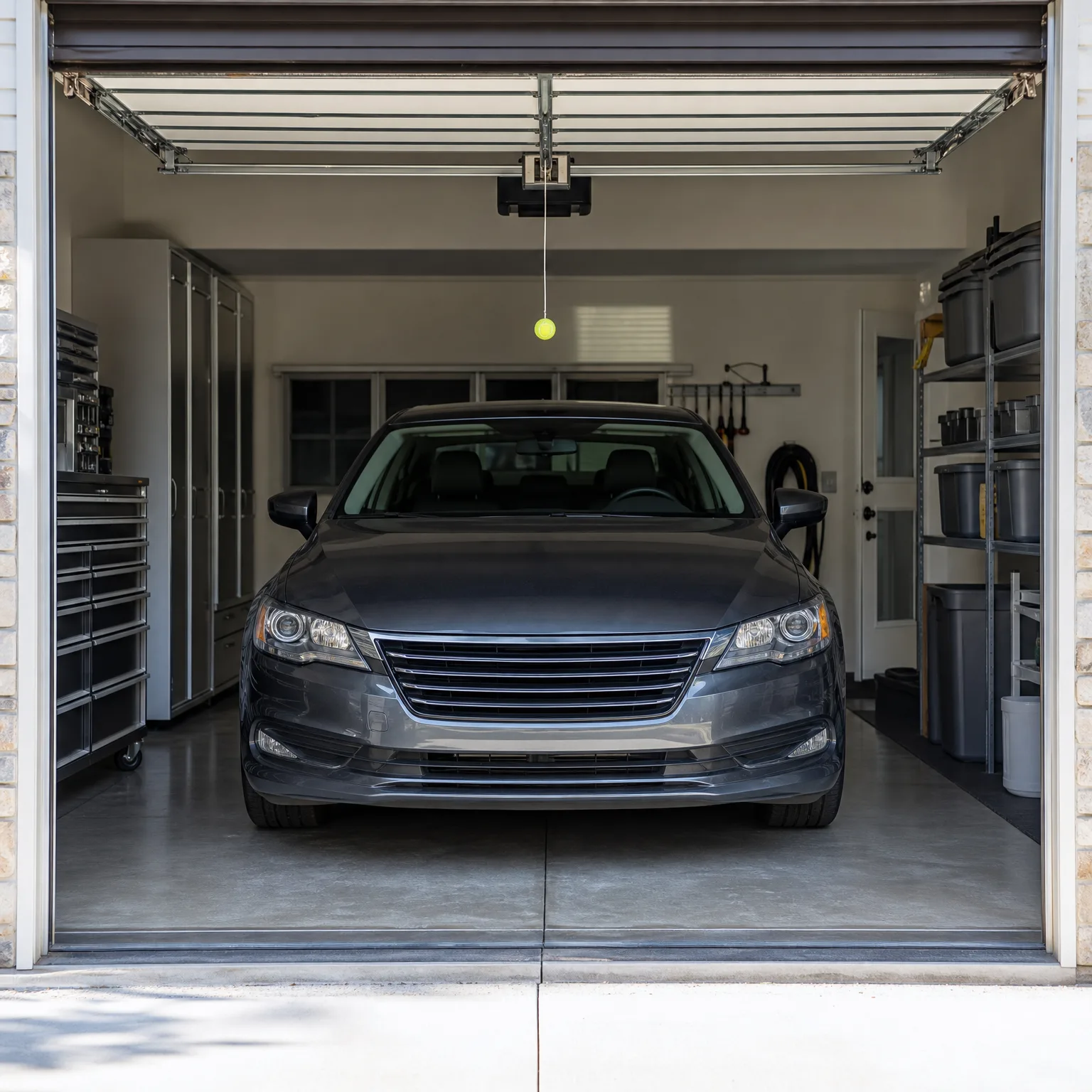
Yes, storage location is one of the things insurers ask about. A van kept in a locked garage is generally seen as lower risk than one parked on the street, and this can affect the premium. Check with your insurer about what storage information they want and whether it changes your rate.
See how your camper van compares across insurers before you renew or convert.

Get the van's current value, its conversion details, and your driving record together before you call anyone. Ask each insurer directly how they classify the vehicle, whether your intended use is covered, and what the storage and driving record discounts look like. If the van is already converted, confirm that the conversion itself is covered, not just the base vehicle. Compare at least a few quotes side by side rather than renewing with the same insurer by default, since classification and pricing can vary a lot between companies.