At What Temperature Does an RV Need to Be Winterized
There's no single temperature that triggers it. What matters is the first hard freeze where you store the RV.
It depends on freezing, not a specific number
Water expands when it freezes, and that's what cracks pipes, valves, and the water heater. So the real trigger isn't a precise reading, it's whether the temperature where your RV sits is going to drop to freezing or below, especially overnight, especially for more than a few hours.
Most people winterize once nighttime lows start reaching freezing on a regular basis, not just one cold snap. A single cold night that warms up fast usually isn't what causes damage. Repeated nights at or below freezing are.
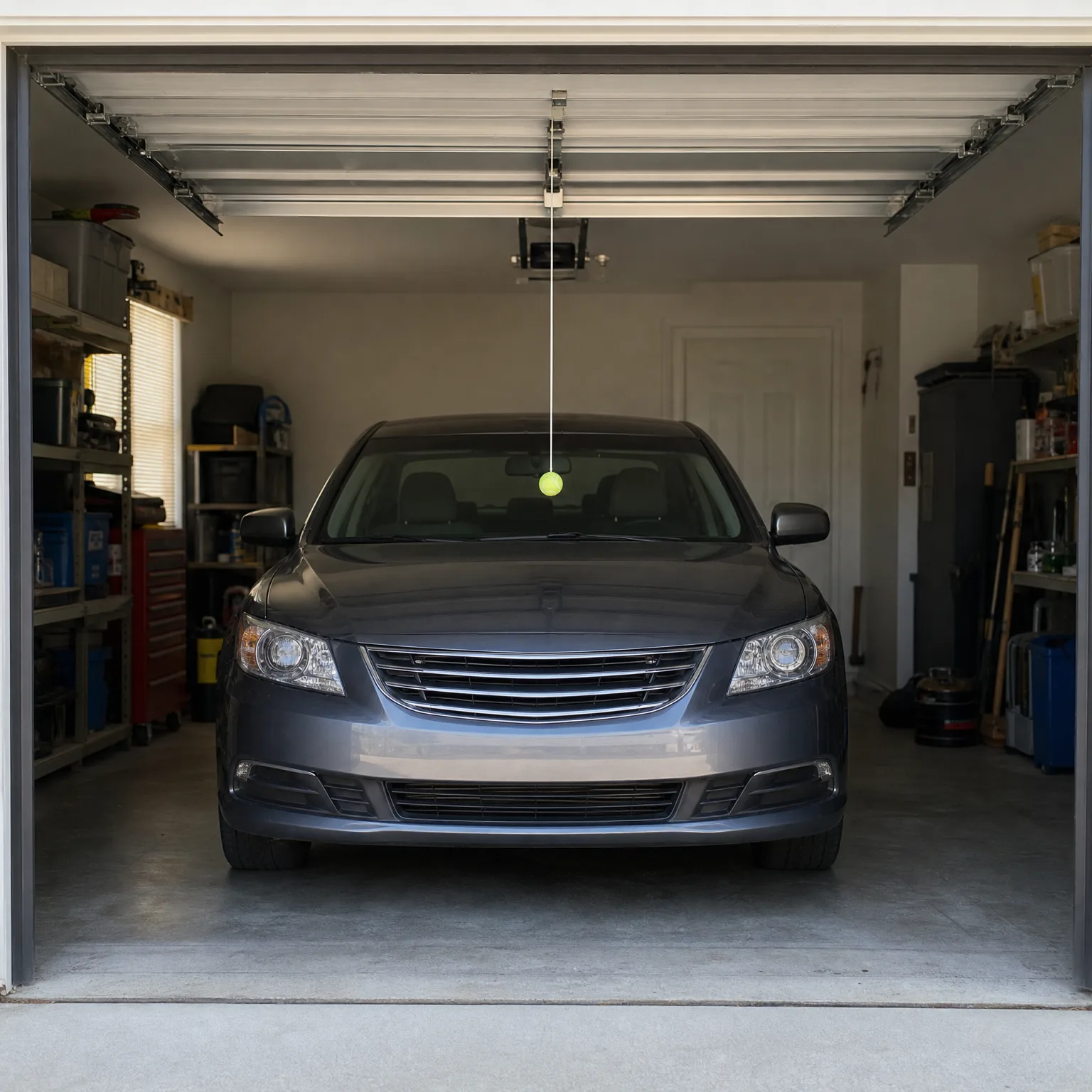
Where the RV sits matters more than the forecast
An RV parked outside in the open will reach freezing faster than one in a garage, under a carport, or skirted for winter. The temperature on your phone's weather app is an air reading taken away from your RV, not inside its plumbing.
If your RV sits exposed to wind and has no insulation underneath, the pipes and tanks can get cold even when the daytime air seems fine. If it's sheltered or you're running a heat source inside, you may have more room before freezing becomes a real risk.
Check how your specific RV is set up before you decide based on a weather forecast. A thermostat reading for the area isn't the same as the temperature inside your water lines.
How you'll use it over the winter
If the RV is going into storage for the season, winterizing early and fully is the safer move. There's no upside to waiting once you know it won't be used.
If you're still using it occasionally in colder weather, running the furnace or a heat source to keep the interior above freezing can delay the need to winterize, but it only works as long as that heat source keeps running without interruption.
A lot of damage happens during unplanned gaps: a trip where the RV sits unused for a week, a heater that fails, a weekend away when a cold front moves in early. If you're relying on heat instead of winterizing, build in a margin for those gaps.
Questions people ask about this
What temperature can burst RV pipes?
Pipes are at risk once water inside them reaches freezing, not once the outside air does. Air temperature, insulation, and how long the cold lasts all affect how fast that happens, so there's no single outdoor number that applies to every RV.
Do I need to winterize my RV if I live in a warm climate?
You still need to think about it if your area gets even occasional nights at or below freezing. A string of mild winters doesn't mean the risk is gone, it just means it comes up less often.
Can I winterize my RV myself or do I need a professional?
Many owners winterize their own RV with a pump and antifreeze made for RV plumbing. If you're not confident doing every step, including the water heater and all the low points, a service center that works on RVs can do it for you.
What happens if I forget to winterize before a freeze?
Water left in pipes, the water heater, or the holding tanks can freeze and crack the lines or fittings. The damage often isn't visible until you try to use the system again and find a leak.
Does running RV antifreeze protect everything in the plumbing system?
It protects the lines and components it reaches, but only if it's pushed through the entire system, including the water heater bypass and any low points where water collects. Missing a step leaves that section unprotected.
See what insurers say about coverage for freeze damage before the season turns.
Check how your RV is stored, whether it's exposed, sheltered, or heated, before you rely on a weather forecast to decide. Look up the typical first hard freeze date for your area so you're not guessing. If you're storing the RV for winter, plan to winterize before that date rather than after the first cold night catches you off guard. If you're still using it, have a plan for what happens if your heat source fails for a day or two. And check your policy or ask your insurer directly whether freeze damage to plumbing is something your coverage addresses, since that answer varies by policy.